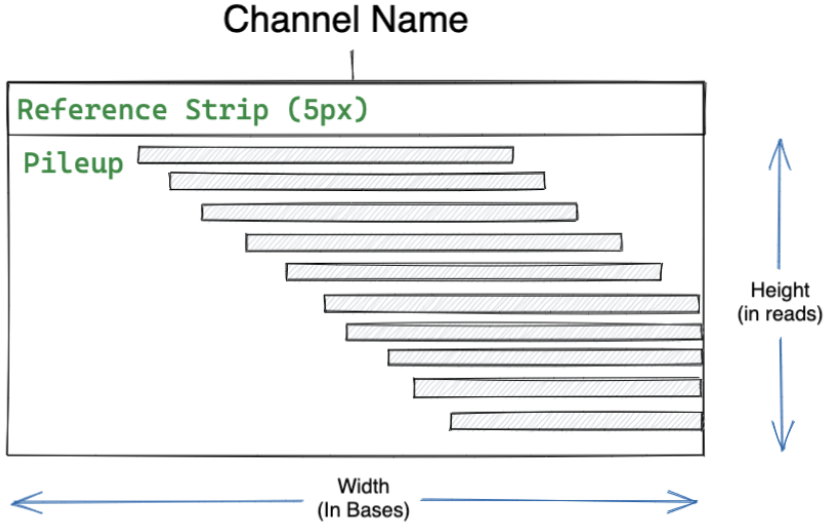
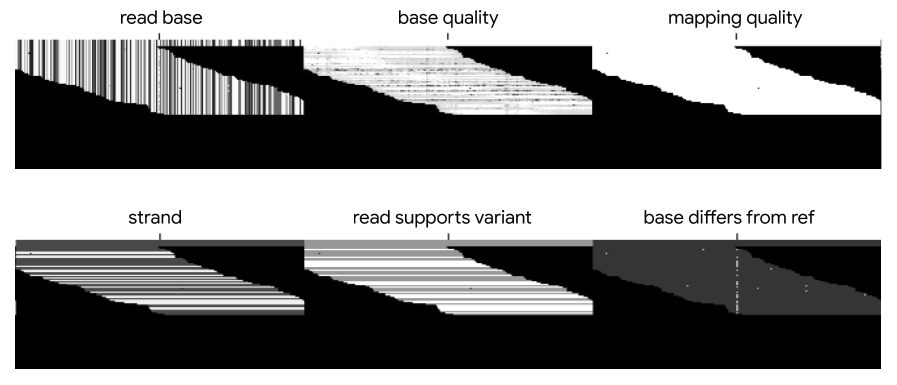
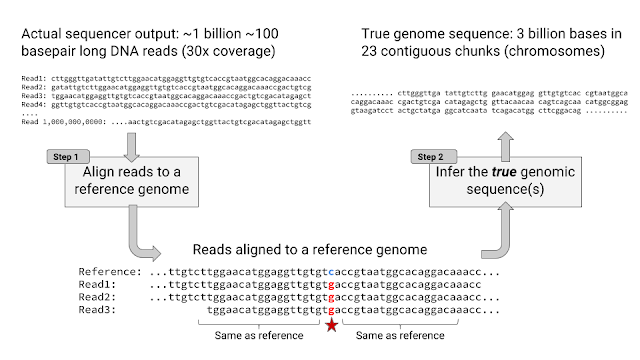
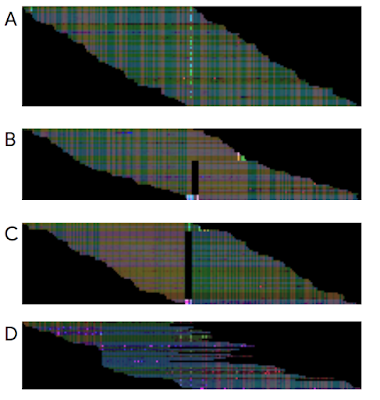
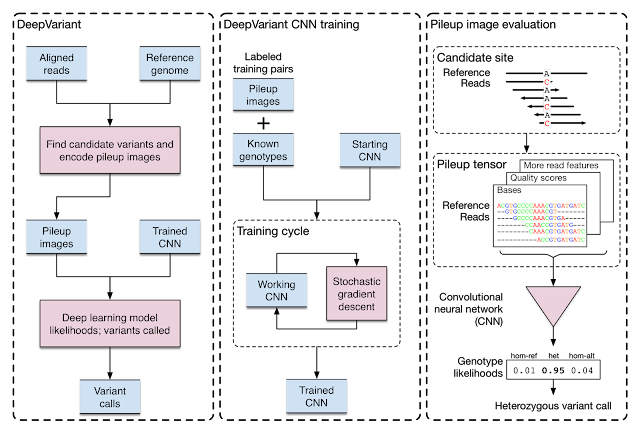
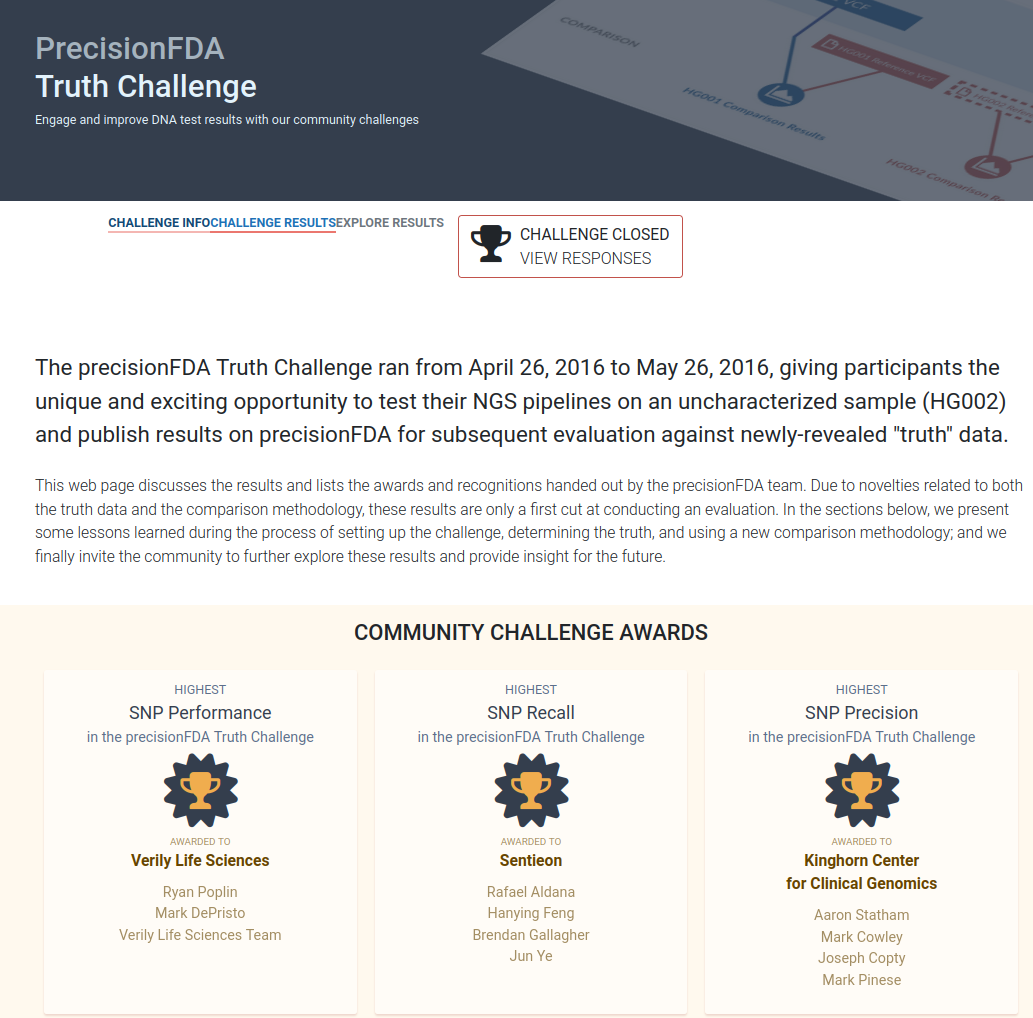
1. Poplin R, Chang P-C, Alexander D, Schwartz S, Colthurst T, Ku A, et al. A universal SNP and small-indel variant caller using deep neural networks. Nature Biotechnology. 2018;36:983–7. doi:
10.1038/nbt.4235.
2. Jumper J, Evans R, Pritzel A, Green T, Figurnov M, Ronneberger O, et al. Highly accurate protein structure prediction with AlphaFold. Nature. 2021;596:583–9. doi:
10.1038/s41586-021-03819-2.
3. Ji Y, Zhou Z, Liu H, Davuluri RV. DNABERT: Pre-trained bidirectional encoder representations from transformers model for DNA-language in genome. Bioinformatics. 2021;37:2112–20. doi:
10.1093/bioinformatics/btab083.
4. Zhou Z, Ji Y, Li W, Dutta P, Davuluri R, Liu H. DNABERT-2: Efficient foundation model and benchmark for multi-species genome. 2023. doi:
10.48550/ARXIV.2306.15006.
5. Theodoris CV, Xiao L, Chopra A, Chaffin MD, Al Sayed ZR, Hill MC, et al. Transfer learning enables predictions in network biology. Nature. 2023;618:616–24. doi:
10.1038/s41586-023-06139-9.
6. Abramson J, Adler J, Dunger J, Evans R, Green T, Pritzel A, et al. Accurate structure prediction of biomolecular interactions with AlphaFold 3. Nature. 2024;630:493–500. doi:
10.1038/s41586-024-07487-w.
7. Nguyen E, Poli M, Durrant MG, Kang B, Katrekar D, Li DB, et al. Sequence modeling and design from molecular to genome scale with evo. Science. 2024;386. doi:
10.1126/science.ado9336.
8. Zhou Z, Wu W, Ho H, Wang J, Shi L, Davuluri RV, et al. DNABERT-s: Pioneering species differentiation with species-aware DNA embeddings. 2024. doi:
10.48550/ARXIV.2402.08777.
9. Cui H, Wang C, Maan H, Pang K, Luo F, Duan N, et al. scGPT: Toward building a foundation model for single-cell multi-omics using generative AI. Nature Methods. 2024;21:1470–80. doi:
10.1038/s41592-024-02201-0.
10. Bunne C, Roohani Y, Rosen Y, Gupta A, Zhang X, Roed M, et al. How to build the virtual cell with artificial intelligence: Priorities and opportunities. Cell. 2024;187:7045–63. doi:
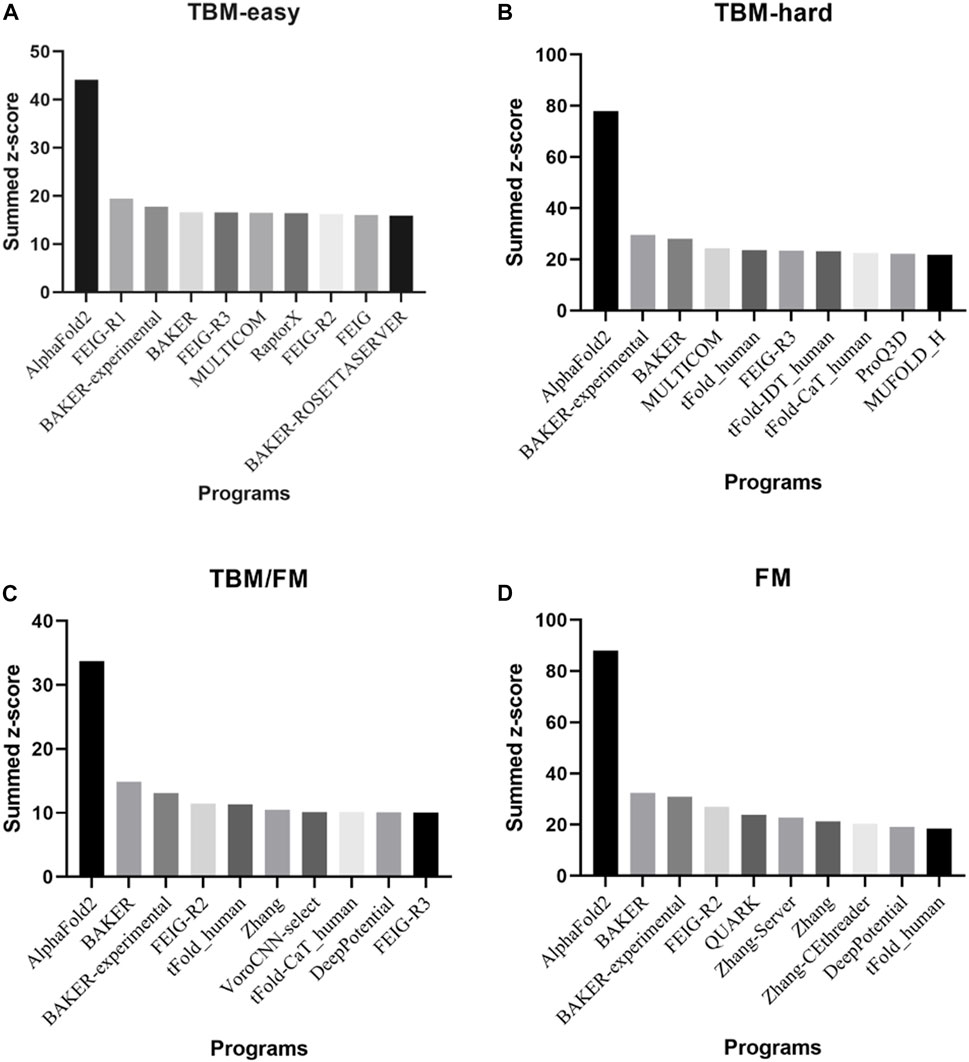
10.1016/j.cell.2024.11.015.
11. Brixi G, Durrant MG, Ku J, Poli M, Brockman G, Chang D, et al. Genome modeling and design across all domains of life with evo 2. 2025.
http://dx.doi.org/10.1101/2025.02.18.638918.
12. Cui H, Tejada-Lapuerta A, Brbić M, Saez-Rodriguez J, Cristea S, Goodarzi H, et al. Towards multimodal foundation models in molecular cell biology. Nature. 2025;640:623–33. doi:
10.1038/s41586-025-08710-y.
13. Wenckstern J, Jain E, Vasilev K, Pariset M, Wicki A, Gut G, et al. AI-powered virtual tissues from spatial proteomics for clinical diagnostics and biomedical discovery. 2025. doi:
10.48550/ARXIV.2501.06039.
14. Candido S, Hayes T, Derry A, Rao R, Lin Z, Verkuil R, et al. Language modeling materializes a world model of protein biology. 2026.
http://dx.doi.org/10.64898/2026.06.03.729735.
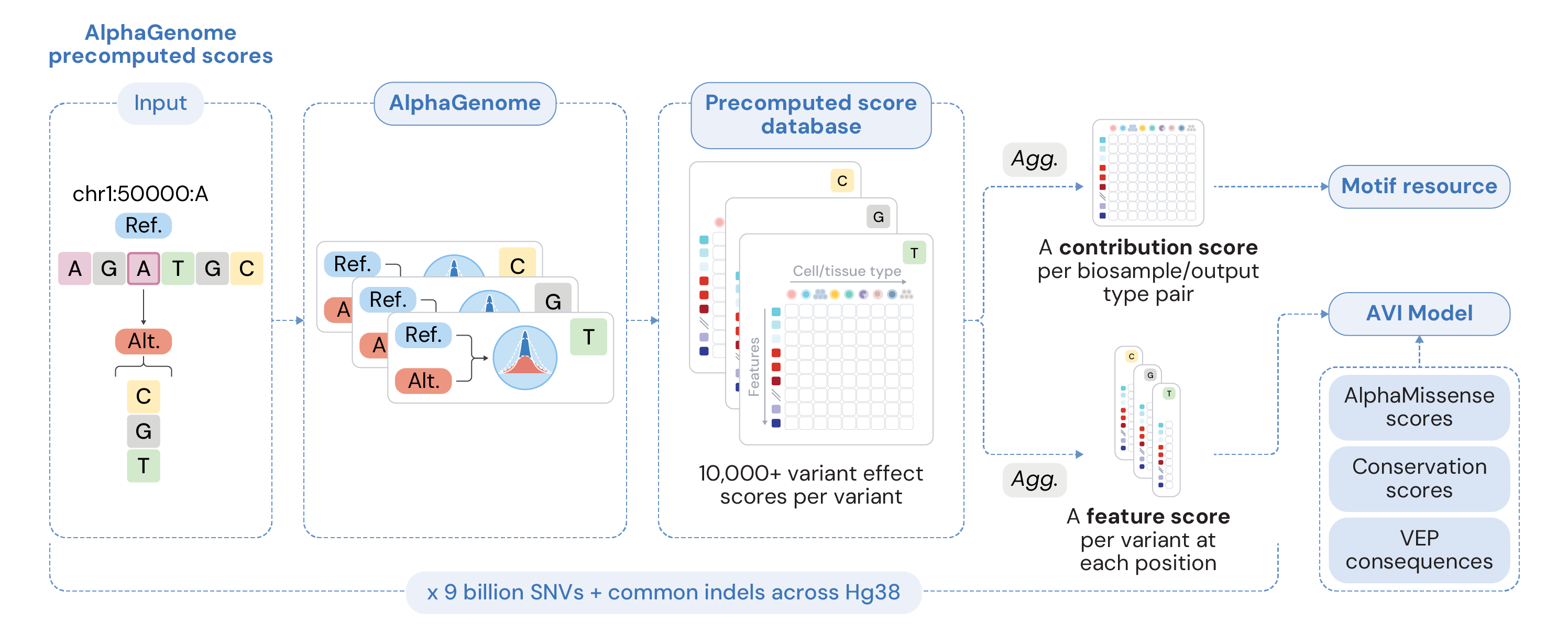
15. Avsec Ž, Latysheva N, Cheng J, Novati G, Taylor KR, Ward T, et al. Advancing regulatory variant effect prediction with AlphaGenome. Nature. 2026;649:1206–18. doi:
10.1038/s41586-025-10014-0.
16. Ye C, Benegas G, Albors C, Li JC, Prillo S, Fields PD, et al. Predicting genome-wide functional constraints with GPN-star. Nature. 2026. doi:
10.1038/s41586-026-11005-5.
17. Barbitoff YA, Abasov R, Tvorogova VE, Glotov AS, Predeus AV. Systematic benchmark of state-of-the-art variant calling pipelines identifies major factors affecting accuracy of coding sequence variant discovery. BMC Genomics. 2022;23. doi:
10.1186/s12864-022-08365-3.
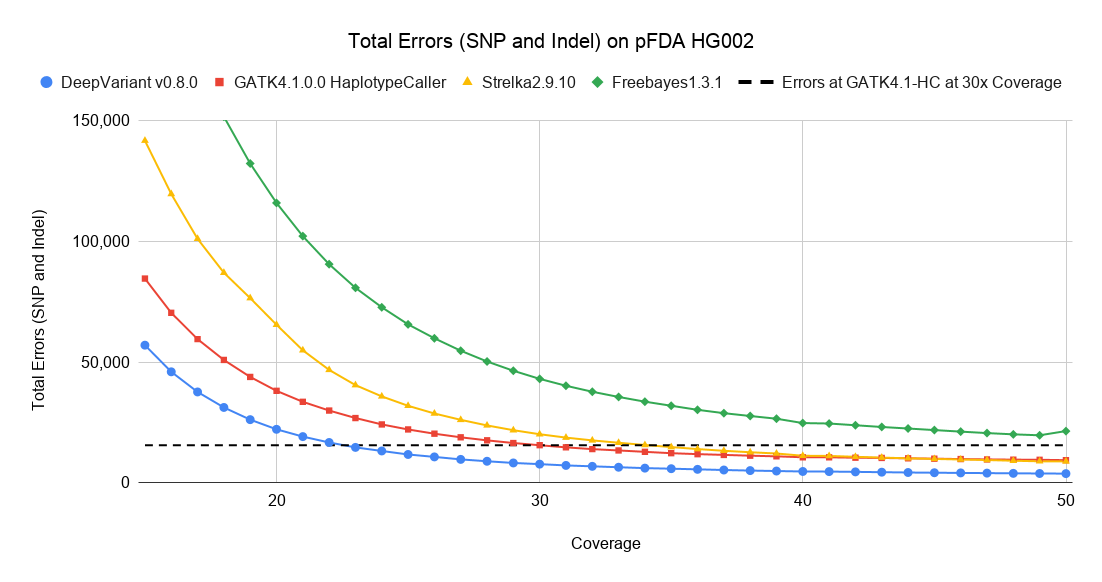
18. Chen N-C, Kolesnikov A, Goel S, Yun T, Chang P-C, Carroll A. Improving variant calling using population data and deep learning. BMC Bioinformatics. 2023;24. doi:
10.1186/s12859-023-05294-0.
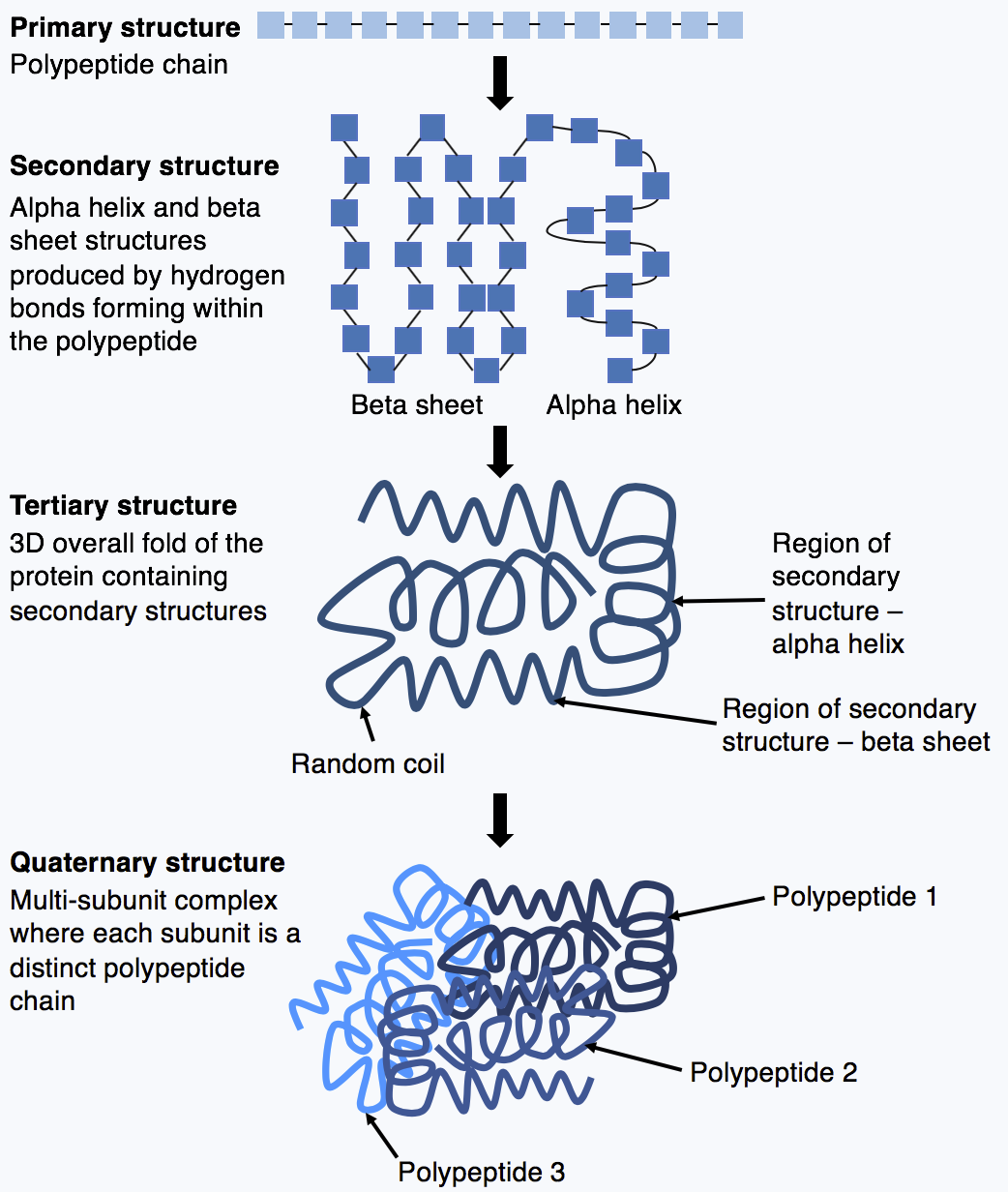
19. Bertoline LMF, Lima AN, Krieger JE, Teixeira SK. Before and after AlphaFold2: An overview of protein structure prediction. Frontiers in Bioinformatics. 2023;3. doi:
10.3389/fbinf.2023.1120370.
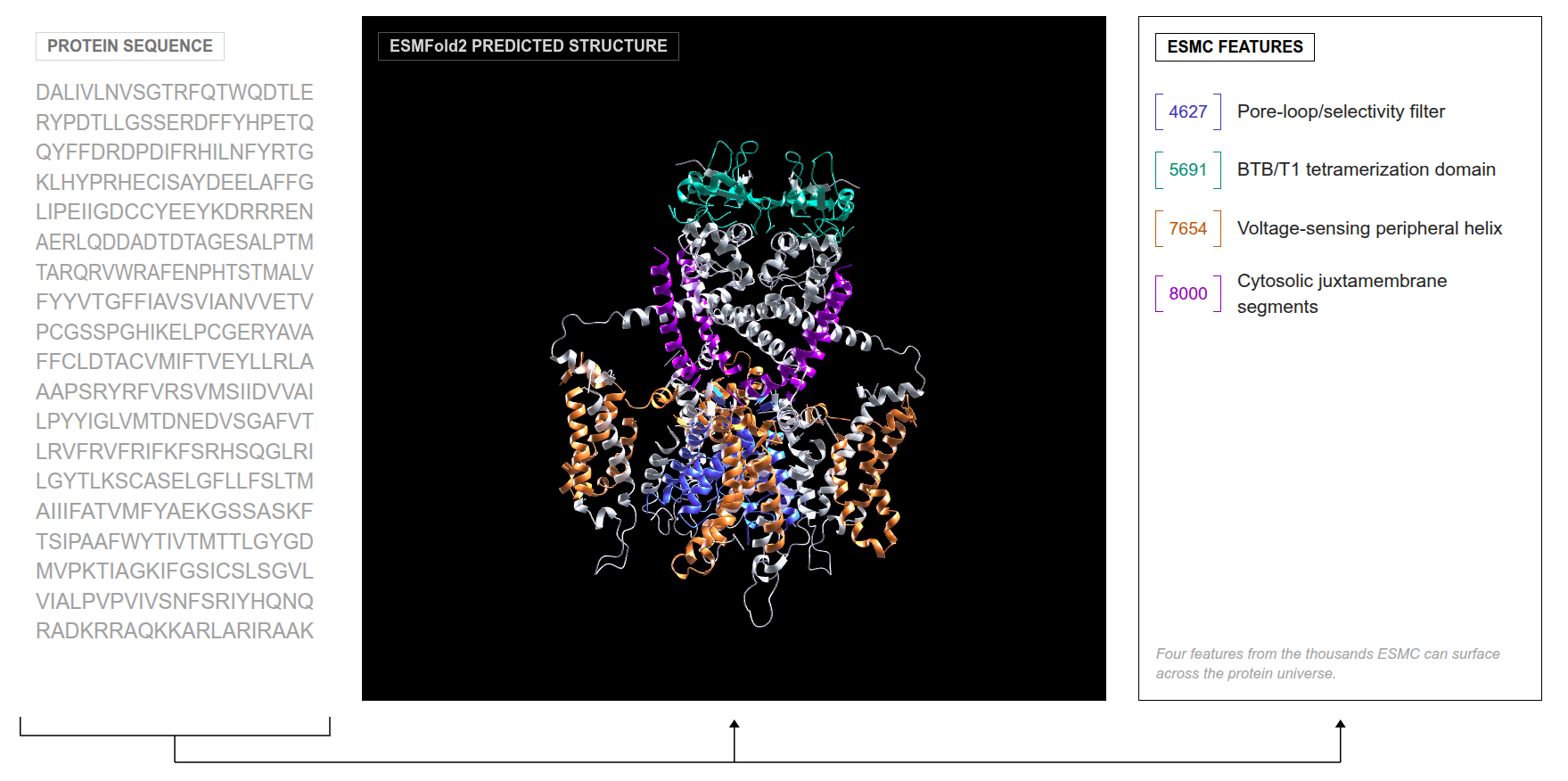
20. Lin Z, Akin H, Rao R, Hie B, Zhu Z, Lu W, et al. Evolutionary-scale prediction of atomic-level protein structure with a language model. Science. 2023;379:1123–30. doi:
10.1126/science.ade2574.
21. Weissenow K, Heinzinger M, Rost B. Protein language-model embeddings for fast, accurate, and alignment-free protein structure prediction. Structure. 2022;30:1169–1177.e4. doi:
10.1016/j.str.2022.05.001.
22. Weissenow K, Heinzinger M, Steinegger M, Rost B. Ultra-fast protein structure prediction to capture effects of sequence variation in mutation movies. 2022.
http://dx.doi.org/10.1101/2022.11.14.516473.
23. Callaway E, Naddaf M. Move over, AlphaFold: Open-source model predicts shape of 1 billion proteins. Nature. 2026;654:13–4. doi:
10.1038/d41586-026-01686-3.
24. DeepMind’s new genome ’atlas’ charts effects of all nine billion possible mutations. Nature. 2026. doi:
10.1038/d41586-026-02835-4.
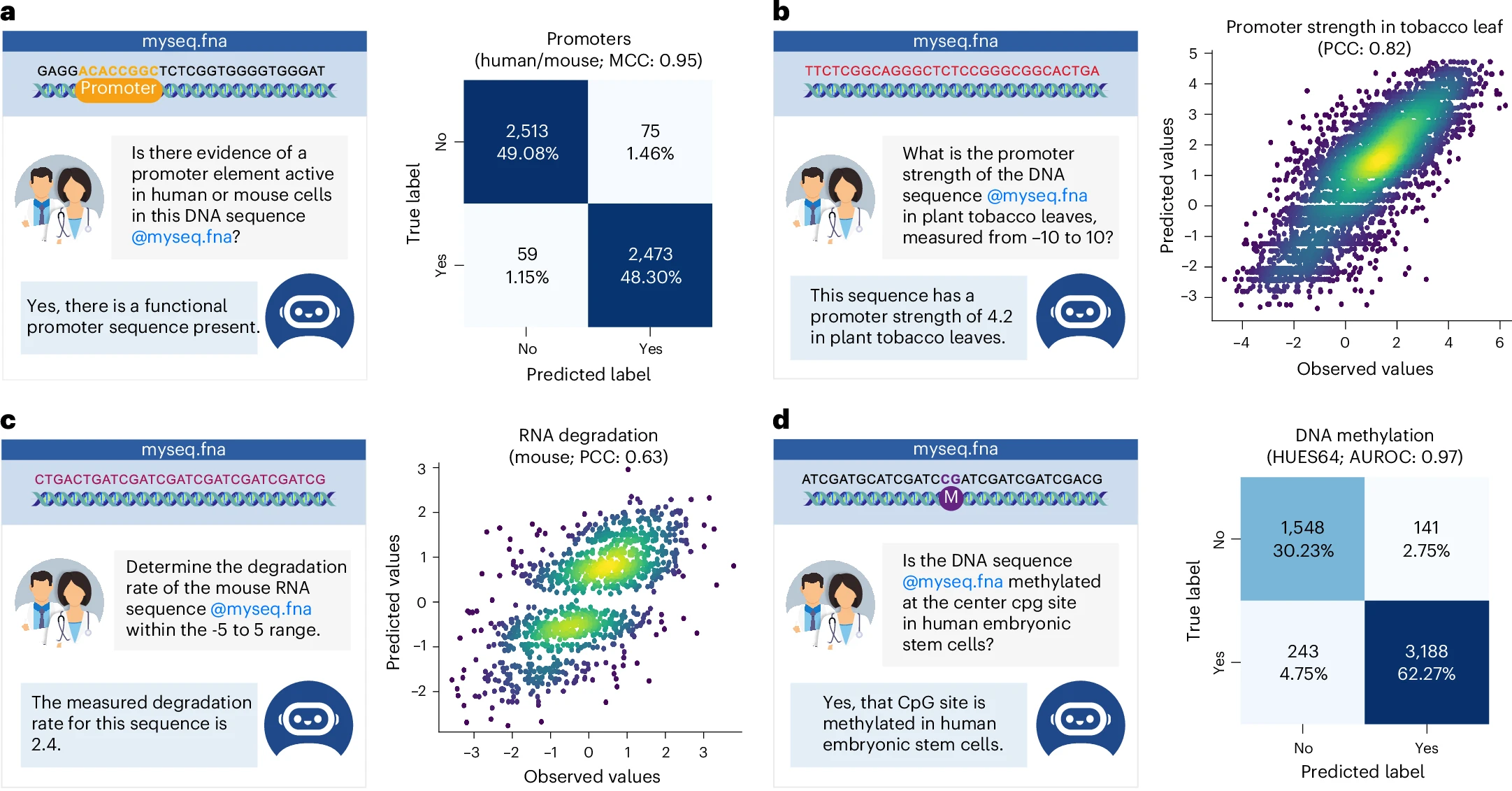
25. Almeida BP de, Richard G, Dalla-Torre H, Blum C, Hexemer L, Pandey P, et al. A multimodal conversational agent for DNA, RNA and protein tasks. Nature Machine Intelligence. 2025. doi:
10.1038/s42256-025-01047-1.
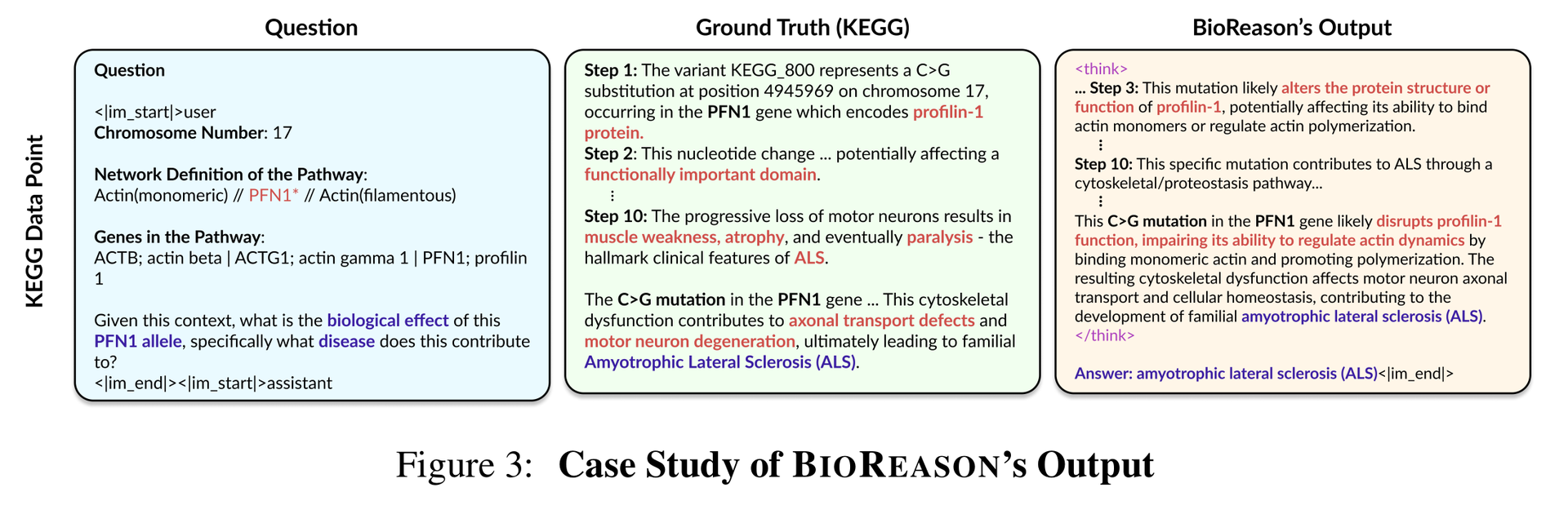
26. Fallahpour A, Magnuson A, Gupta P, Ma S, Naimer J, Shah A, et al. BioReason: Incentivizing multimodal biological reasoning within a DNA-LLM model. 2025.
https://arxiv.org/abs/2505.23579.
27. Zhang H, Zhang Y, Kang Z, Xiong J, Yang R, Ning K. MGM as a large
-scale pretrained foundation model for microbiome analyses in diverse contexts. Advanced Science. 2026;13. doi:
10.1002/advs.202513333.
28. Medearis NA, Zhu S, Zomorrodi AR. BiomeGPT: A foundation model for the human gut microbiome. 2026.
http://dx.doi.org/10.64898/2026.01.05.697599.
29. Treloar NJ, Ur-Rehman S, Yang J. Learning the language of the microbiome with transformers. 2026.
http://dx.doi.org/10.64898/2026.05.02.722381.
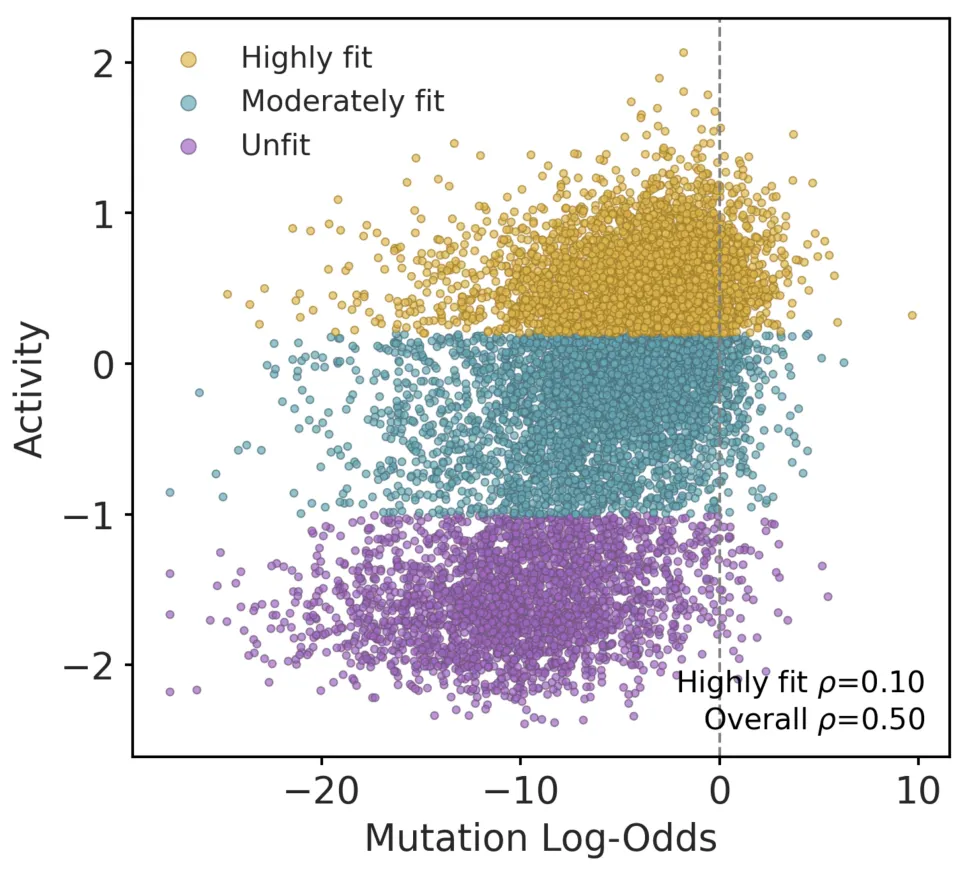
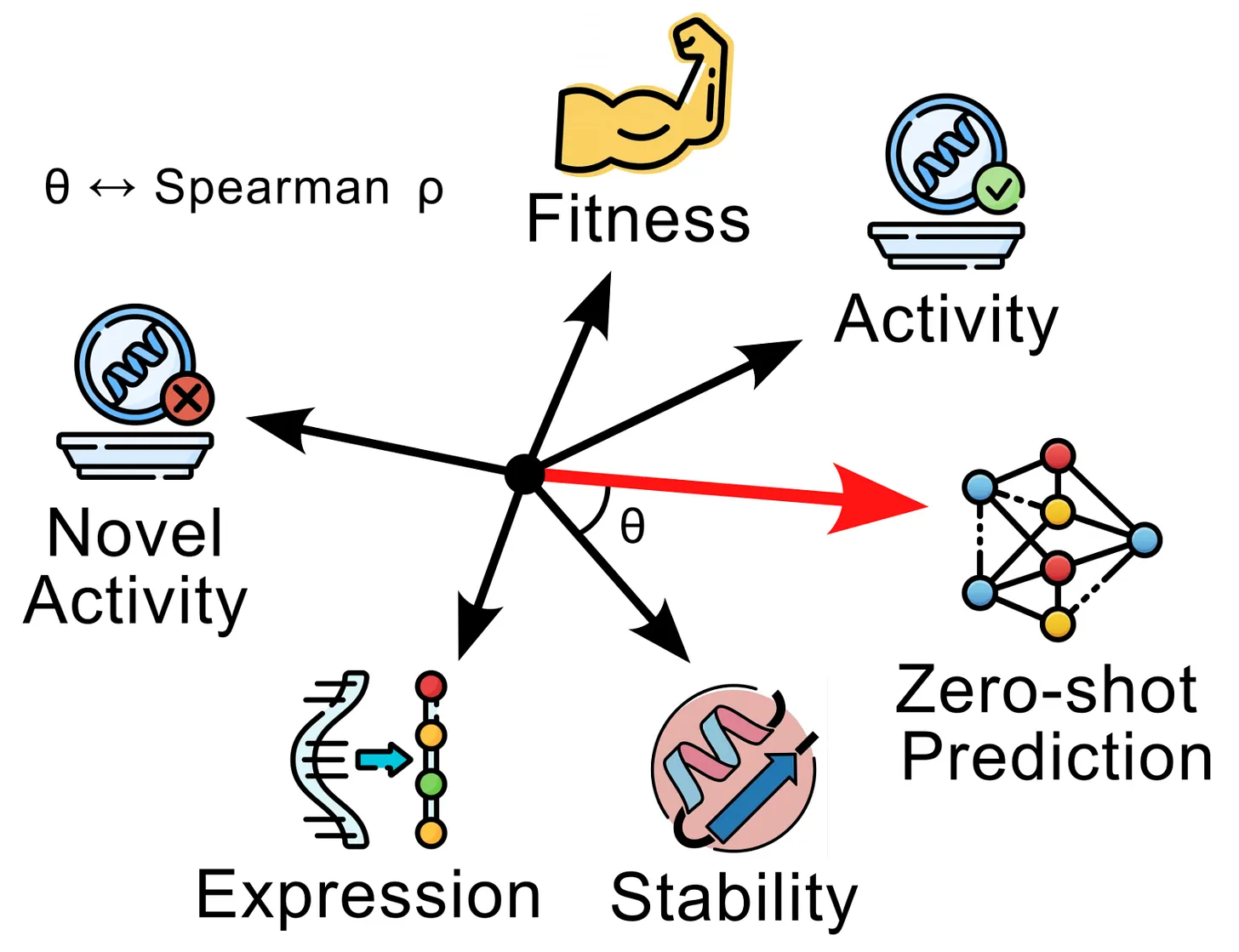
30. Woolley PR, Feller AL, Ellington AD, Wilke CO. Overestimating zero-shot fitness prediction: Broad benchmarks mask local failures and practical limitations. 2026. doi:
10.64898/2026.06.04.730121.
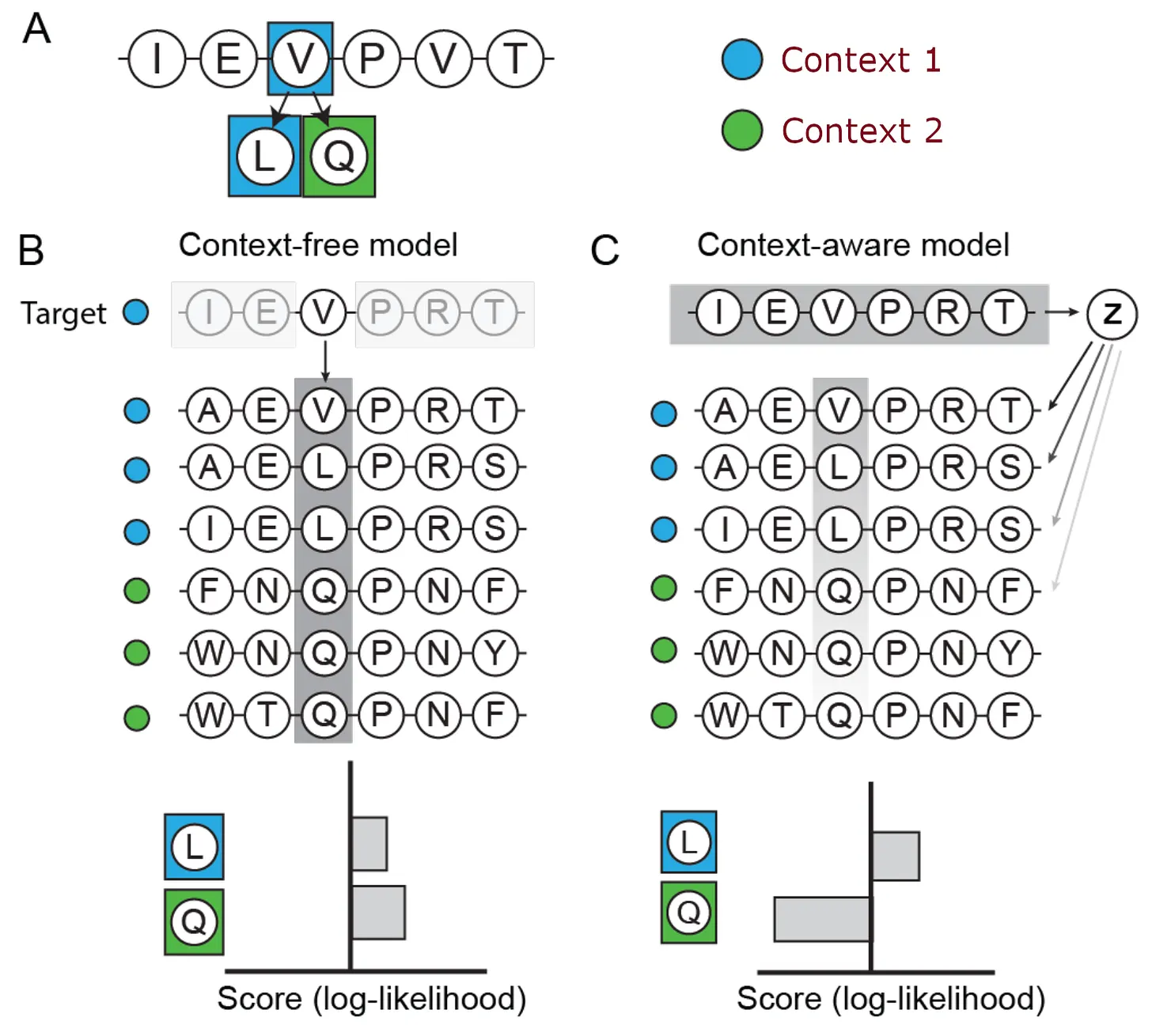
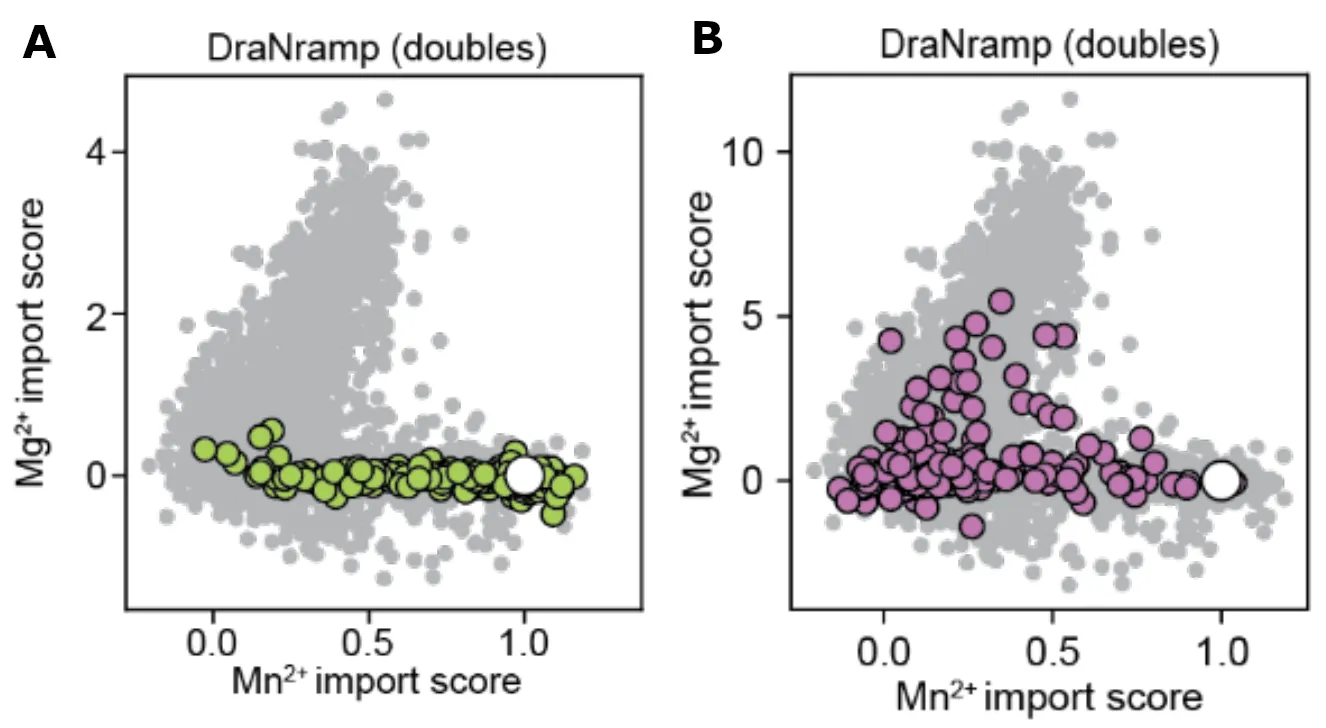
31. Berry SP, Gaudet R, Marks DS. Differences between protein fitness models can be used to design variants of altered specificity. 2026. doi:
10.64898/2026.06.10.731299.

![Accuracy of SNV (A) and Indel (B) calling. Fig 1 from [17]](images/clipboard-3449573733.png)
![Precision-recall curve of several caller on high (top) and low (bottom) datasets. DeepVariant is in blue and red. Adapted from Fig 2 of [18]](images/clipboard-735683776.png)
![Main events in structure prediction. Fig. 1 from [19]](images/clipboard-2300681438.png)