Organisation, gestion et suivi des projets d’analyse de données

December 1, 2026

Migale team

Missions

The Migale Bioinformatics facility proposes different types of services and resources to its users:

  • Access to computing and storage resources
  • Access to training modules, tutorials, and user support
  • Access to informatics and bioinformatics development service
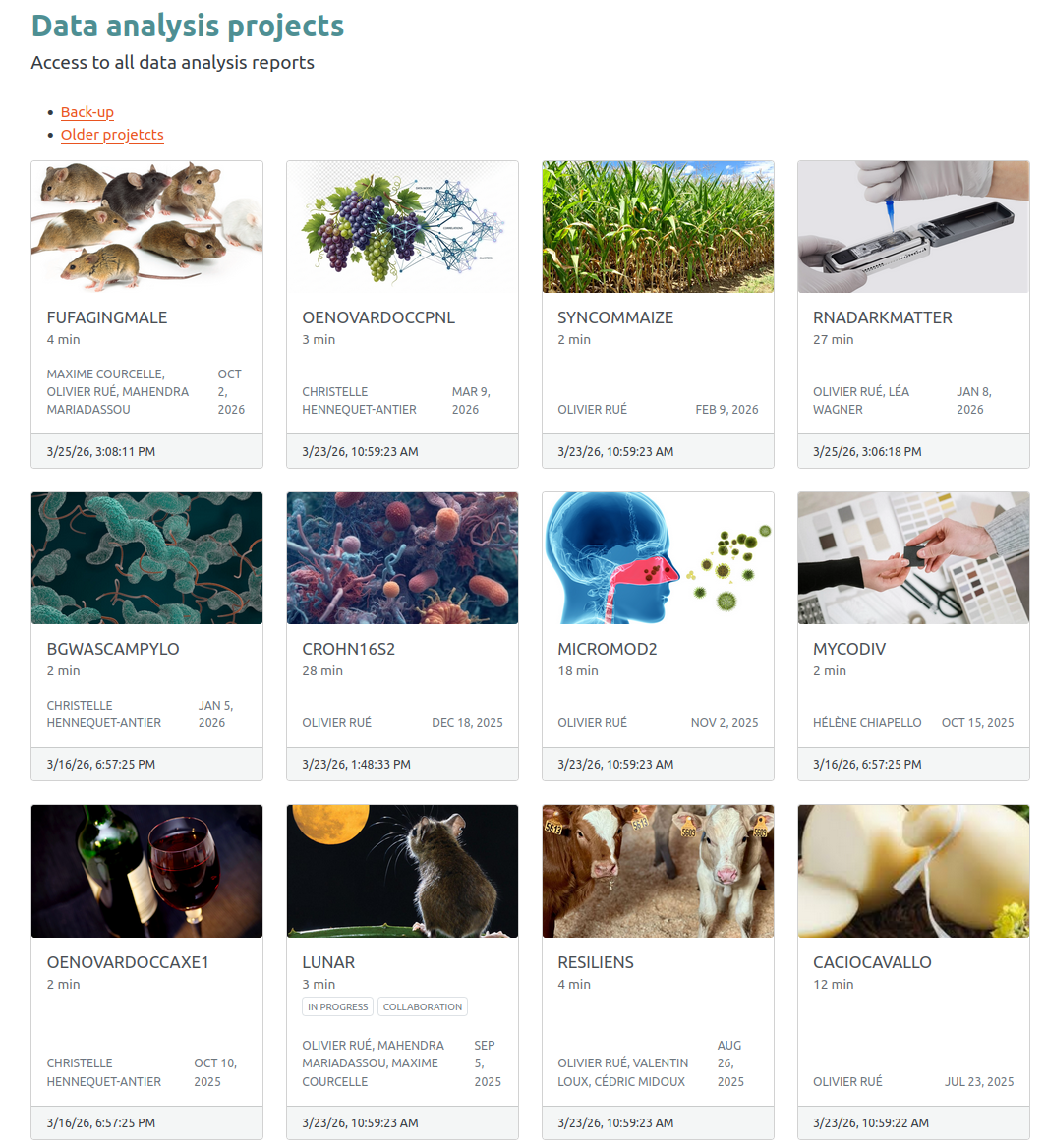
  • Access to data analysis service

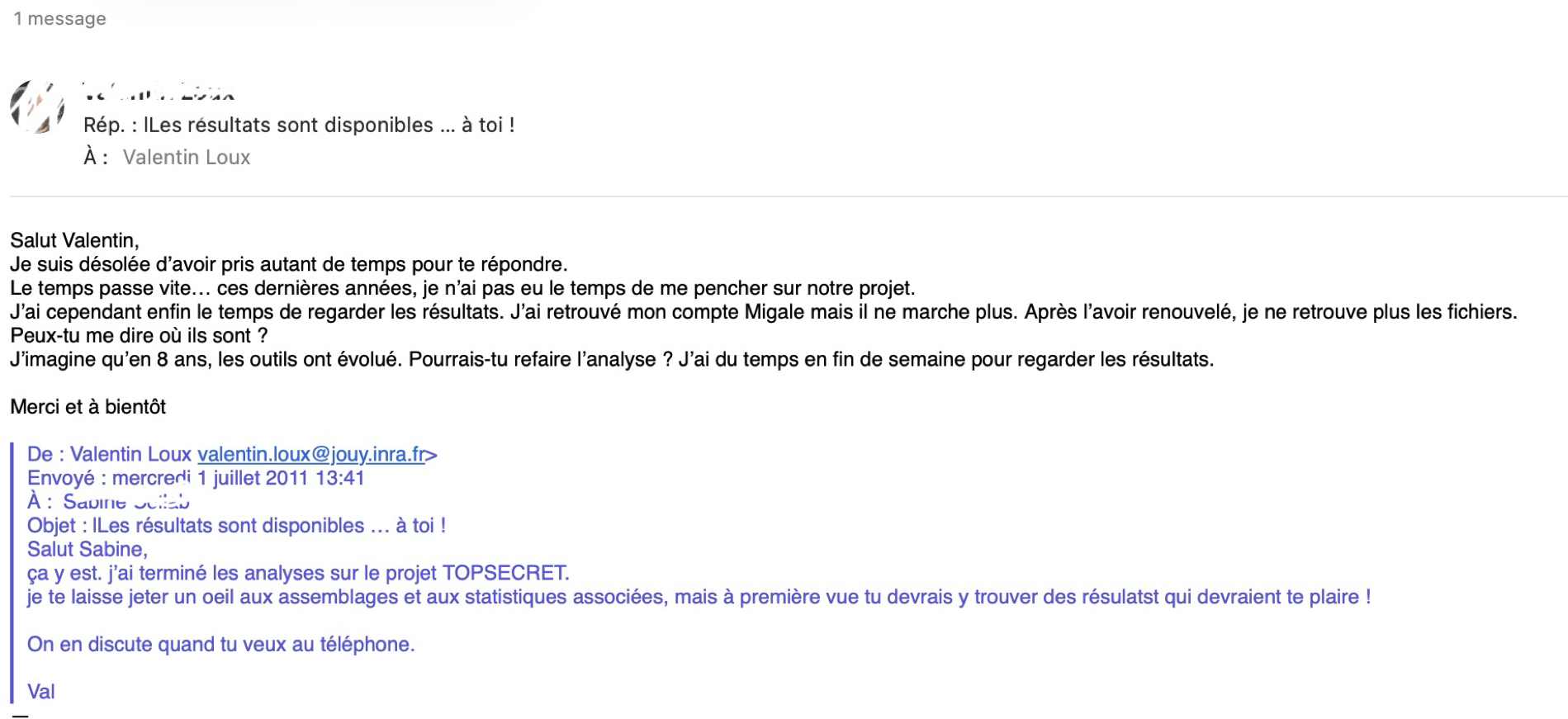
Did this ever happen to you ?

Our mindset when building an analysis service (2015)

What We Wanted to Avoid:

  • Untracked data, metadata, and results
  • Endless projects and endless review meetings

Our Principles:

  • Quality certified process
  • Procedures, continuous amelioration
  • FAIR principles

Our hope:

  • Analysis projects and reports viewed as means for training and empowerment

How can we meet everyone’s needs?


👤 User

  • Access to their analysis report containing all essential information
  • Explanations
  • Track project progress 👓
  • Be aware of the deadline

💻 Analyst

  • Write their report using multiple programming languages
  • Store important information (data, validations…) in a dedicated workspace
  • Share it easily

🏛️ Platform

  • Ensure service continuity through centralized and easily accessible information 📂
  • Facilitate code reuse 🔁
  • A clear overview of the work to be carried out and the expected timelines and deliverables. 📆
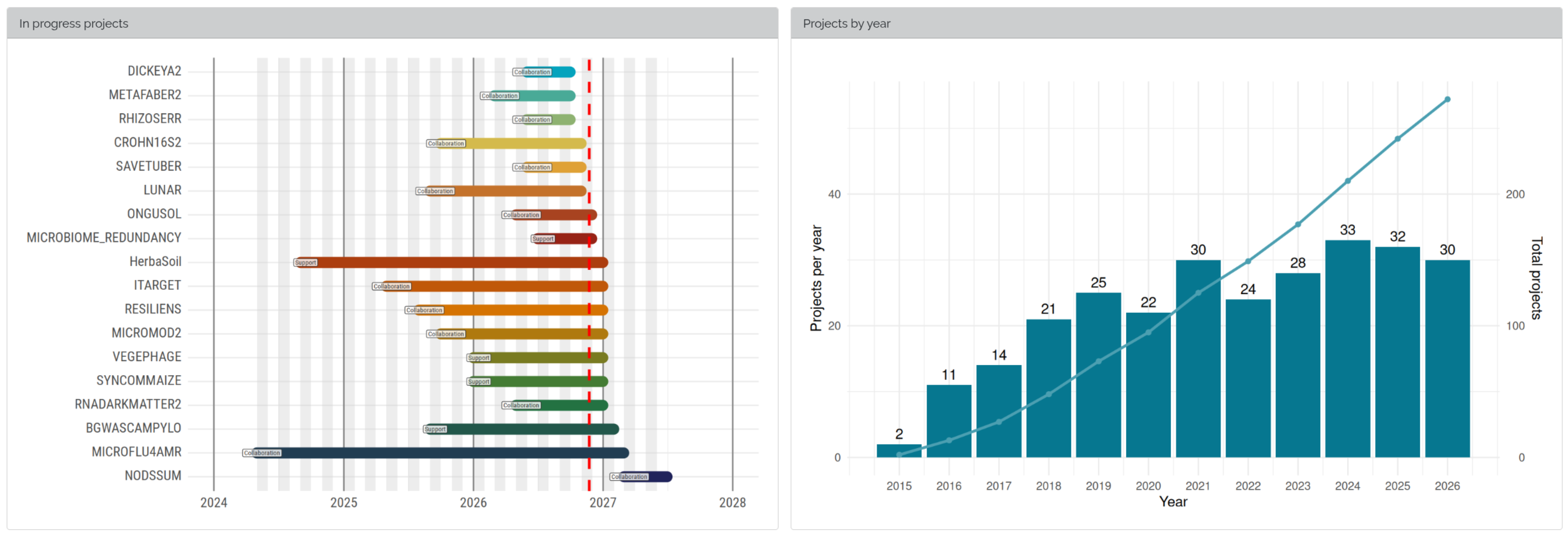
  • Have metrics to monitor activity

A clear project lifecycle

  • Impossible to have a precise calendar for a project
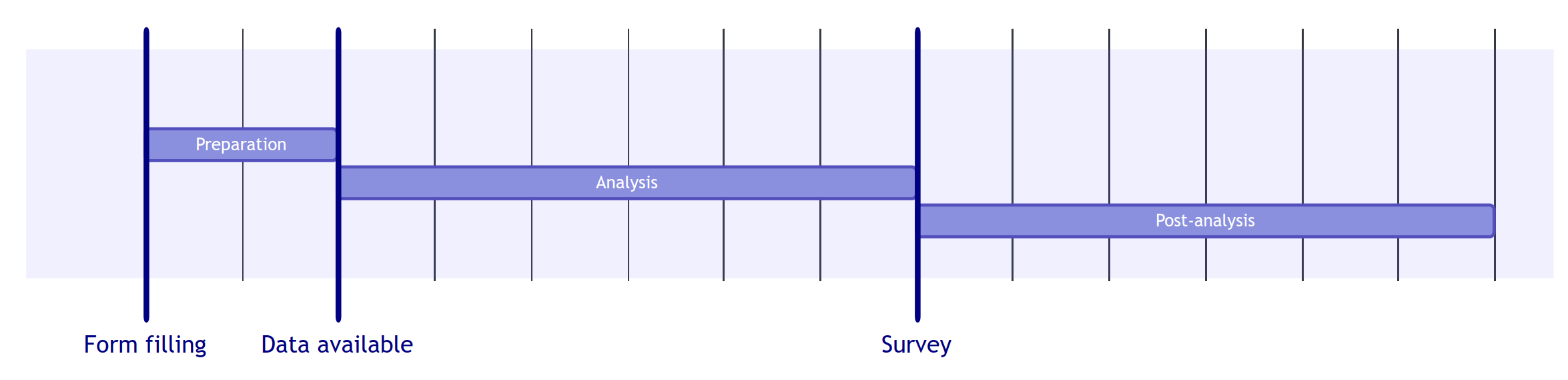
  • 3 periods in our lifecycle project

  • Preparation: between request and collection of all usefull data
  • Analysis: with a mutually agreed-upon time limit
  • Post-analysis: no time limit (beyond our control)

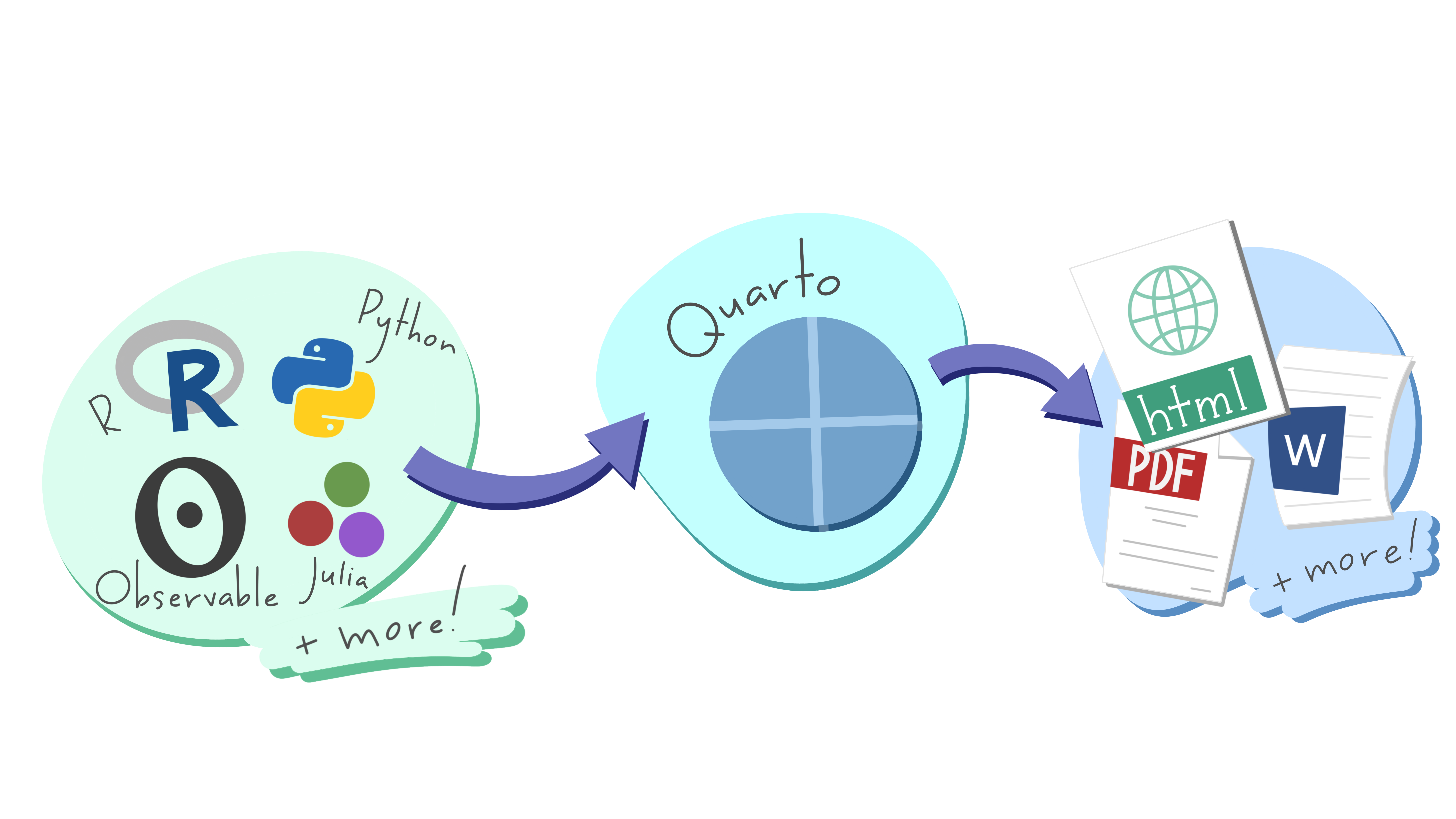
Our core tools: Quarto + Git + CI/CD

Quarto to build reports…
…hosted on a Gitlab repository…

…and easily published on the web via Gitlab Pages!



Additional tools
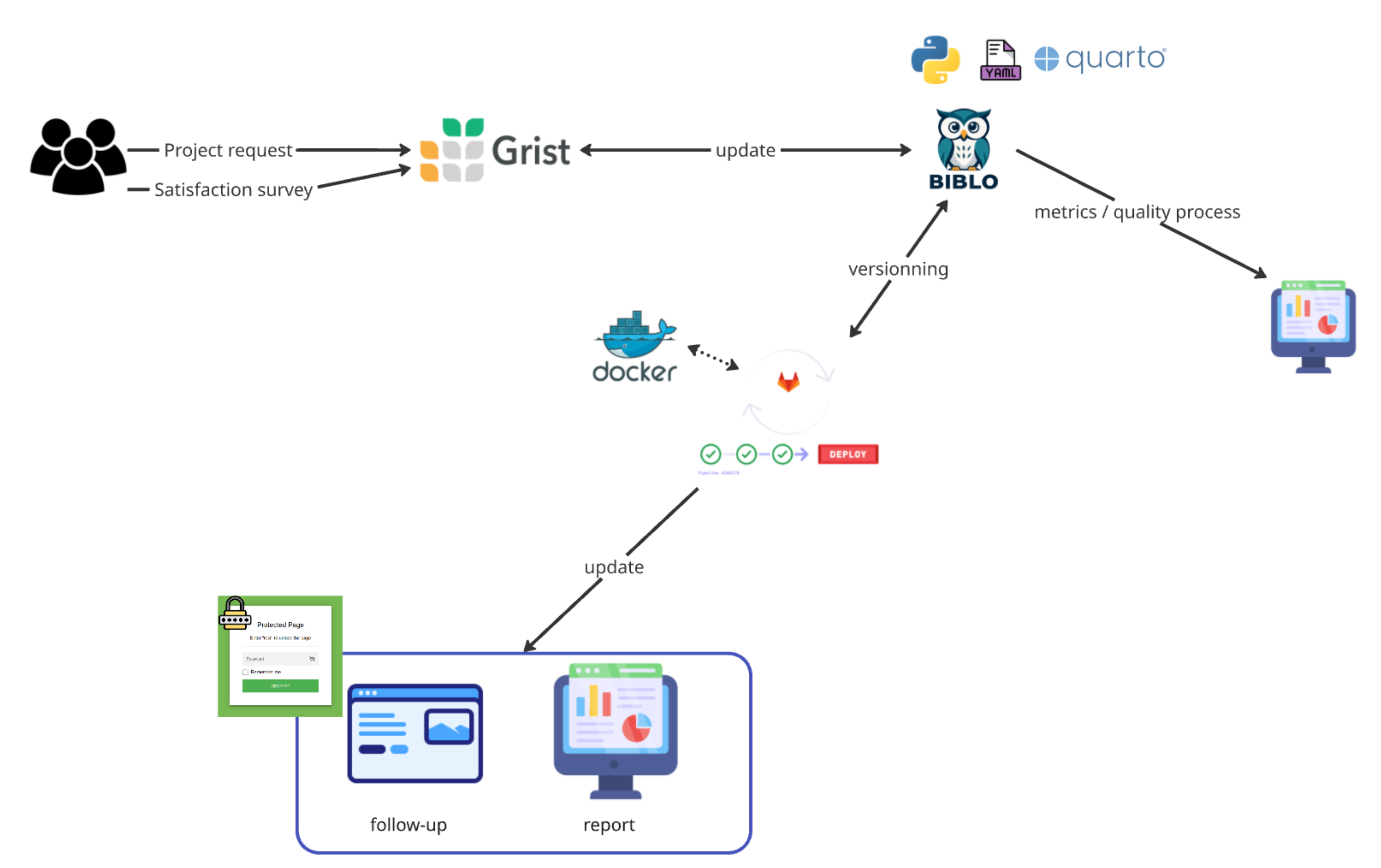
BIBLO: manage metadata and reports

  • Quarto repository / Python scripts
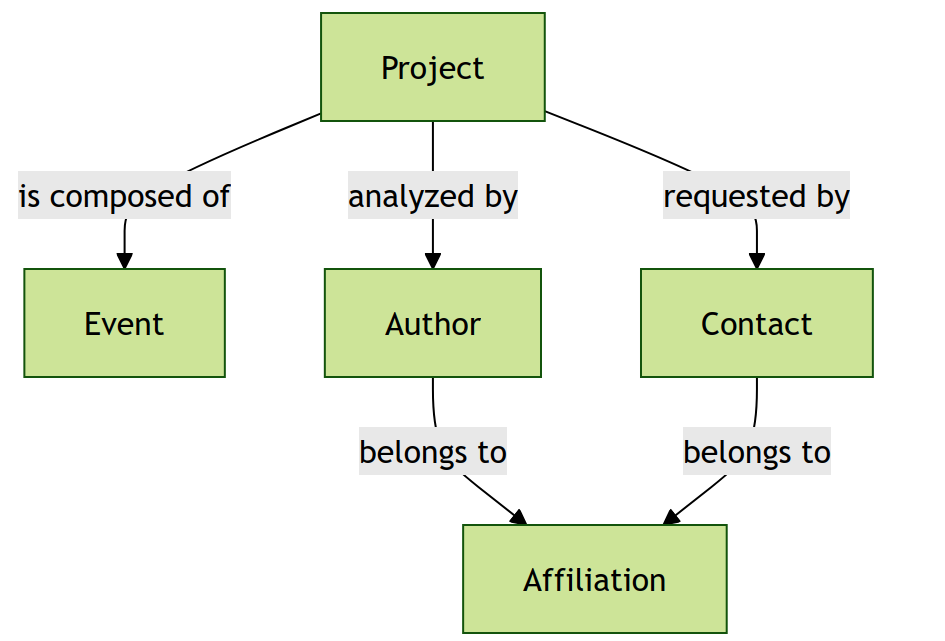
  • Core entities and relationships

Installation

  1. Clone/Fork the repository
  2. Install dependencies
    • quarto (>=1.8.25)
    • python (>=3.10.14)
      • pyyaml (pip install pyyaml)
    • R packages for follow-ups
  3. Use python scripts to fill your projects

Usage

  • CLI
python scripts/manage_projects.py MYPROJECT 
  --description "My first project" 
  --type "Collaboration" 
  --thematics "Metagenomics" 
  --authors "olivierrue, maximecourcelle" 
  --start "2026-01-01" --end "2028-12-12" 
  --contact "johndoe, jackdoe" 
  --image "report-template/template/preview.png" 
  --keywords "Bacterial strains, Illumina, Crohn disease"
  • Interactive mode

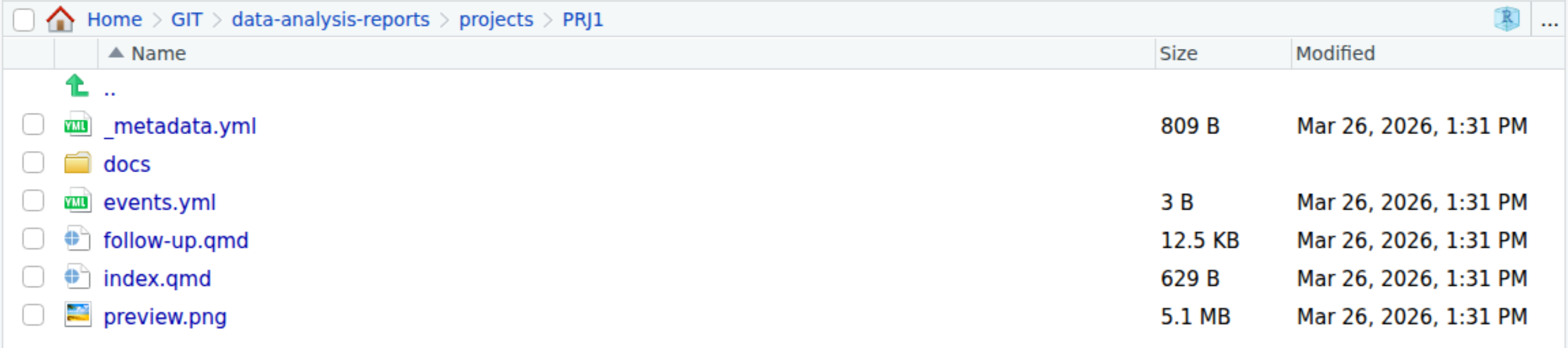
A standard directory structure shared by all projects

—

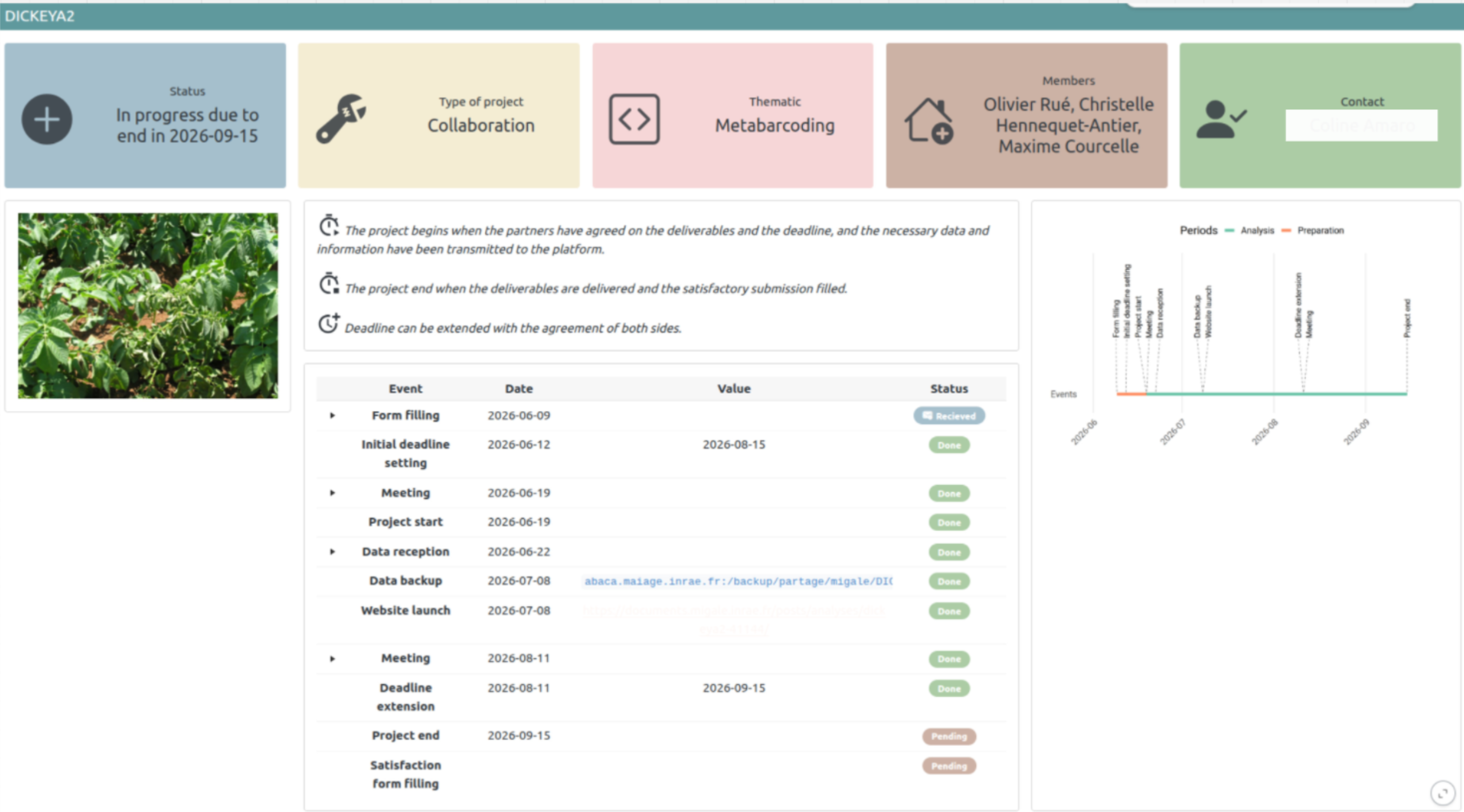
A follow-up and an analysis report

  • Store key project information
  • Store important mails (deadlines, links, decision…)
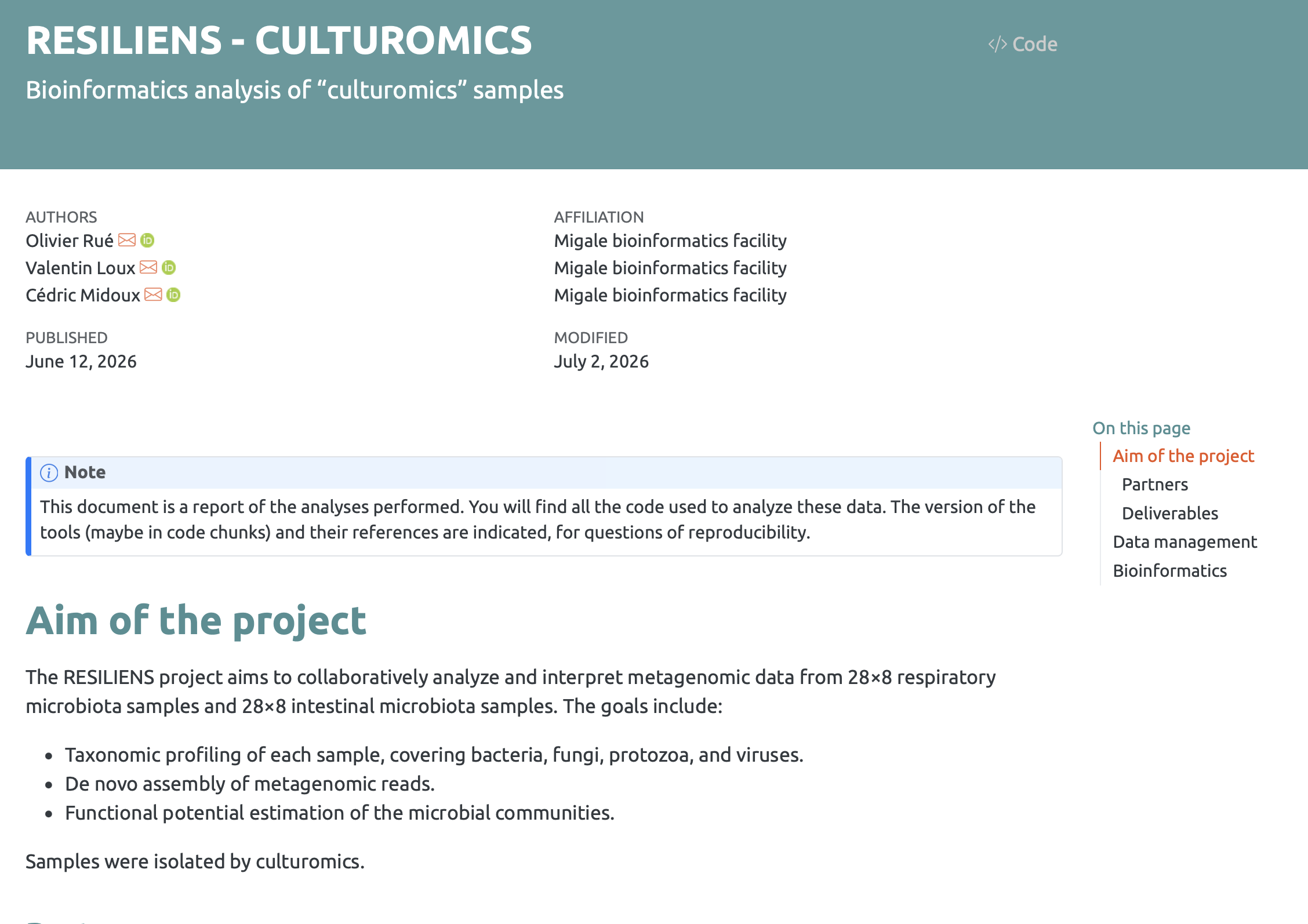
  • Track all analyses performed (command lines, versions, tools, notes, interpretation, downloadable files…)
A management dashboard
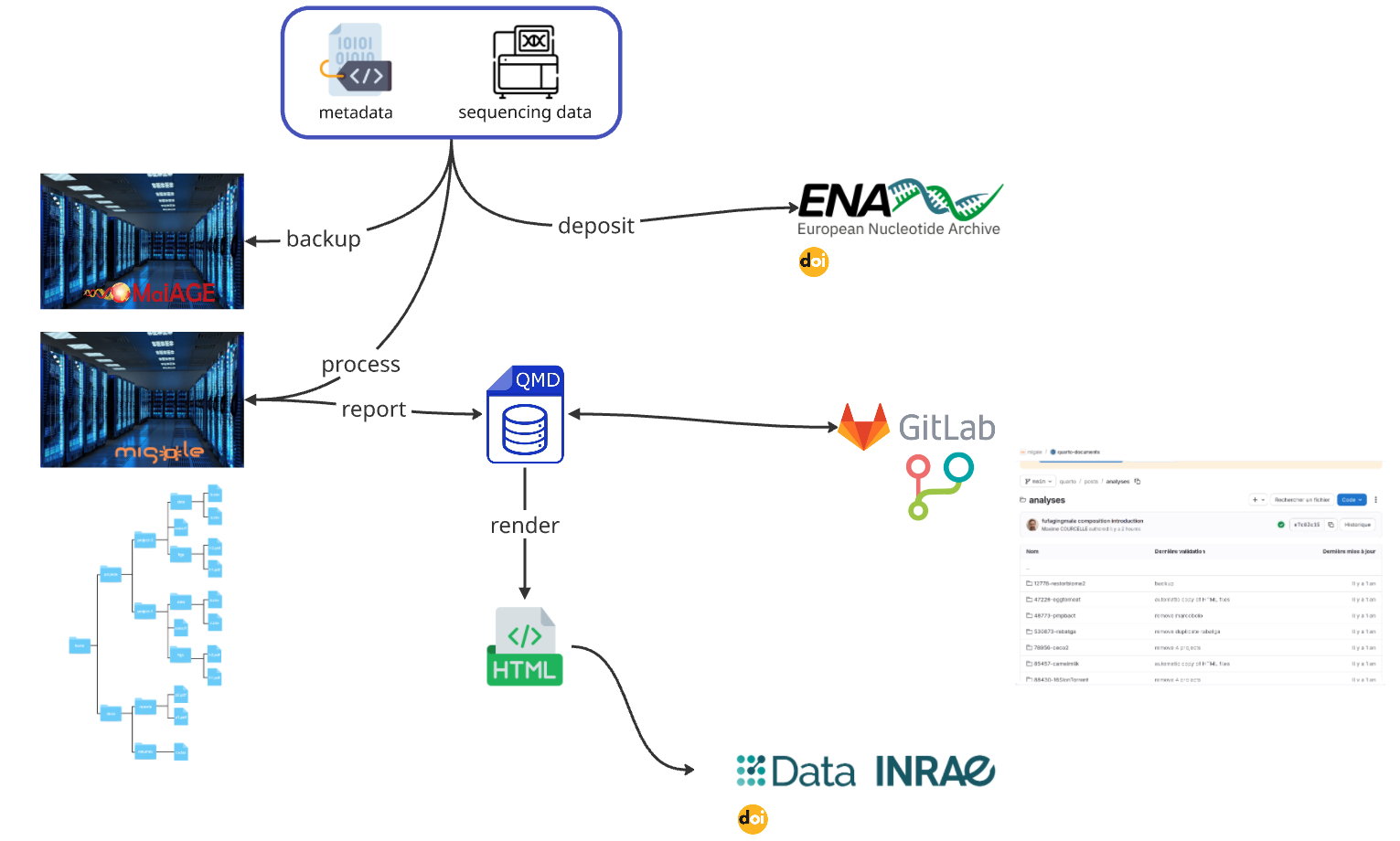
Step 2: Data management
Conclusions

Quality driven organization to manage analysis projects :

  • A structured process with tooling to easily manage projects
    • Accessible, standardized, and centralized
  • Modular, customisable, easy to install
  • Based on an easy to share and learn technology stack (Git, Gitlab pages, CI/CD, Quarto…)
  • From ~ one to 8 people using it in the team. Other teams or facility interested
    • also suitable for individuals

First public release on Migale gitlab page

Perspectives

What’s next :

  • Enhancing features
  • Incorporating external feedback
  • Use ontologies (EDAM, bio-tools…) to add information
  • Link to emergent solutions for data management (madbot: Metadata And Data Brokering Online Tool)

Thank you for your attention