Analyse de données métagénomiques 16S
Module 20
MaIAGE - Migale

MaIAGE - Migale
PROSE - Migale
June 8, 2026
Your trainers



Better know us

- Open infrastructure dedicated to life sciences
- Computing resources, tools, databanks…
- Dissemination of expertise in bioinformatics
- Design and development of applications
- Data analysis
Data analysis service
https://documents.migale.inrae.fr/data-analysis.html
- We are specialized in genomics/metagenomics
- 5 Bioinformaticians and 2 Statisticians
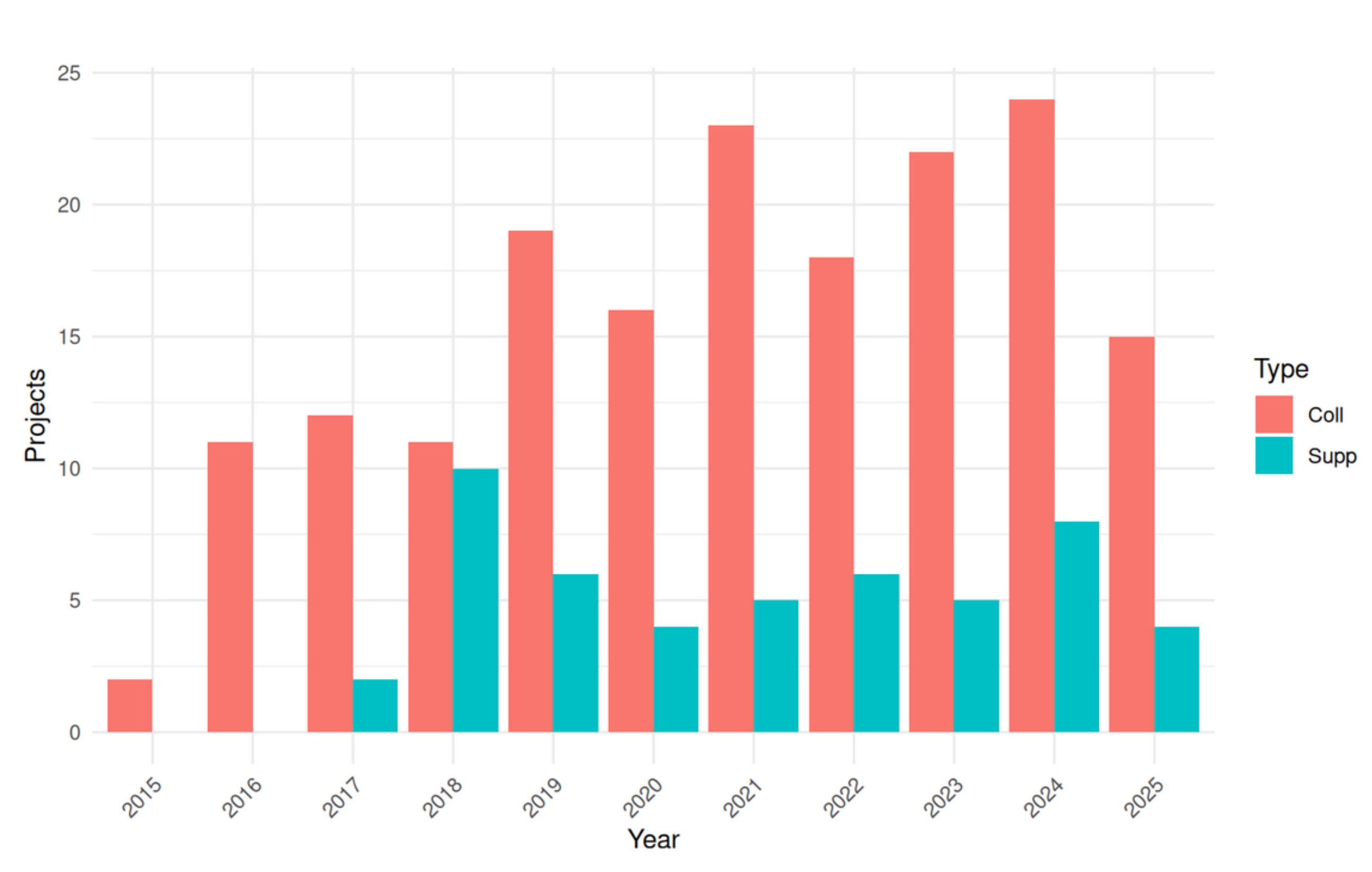
- More than 180 projects since 2016
- LRQA certified process
- 2 types of services
- Classical collaboration (we perfom the analyses)
- Accompaniment (we help you do the analysis yourself)
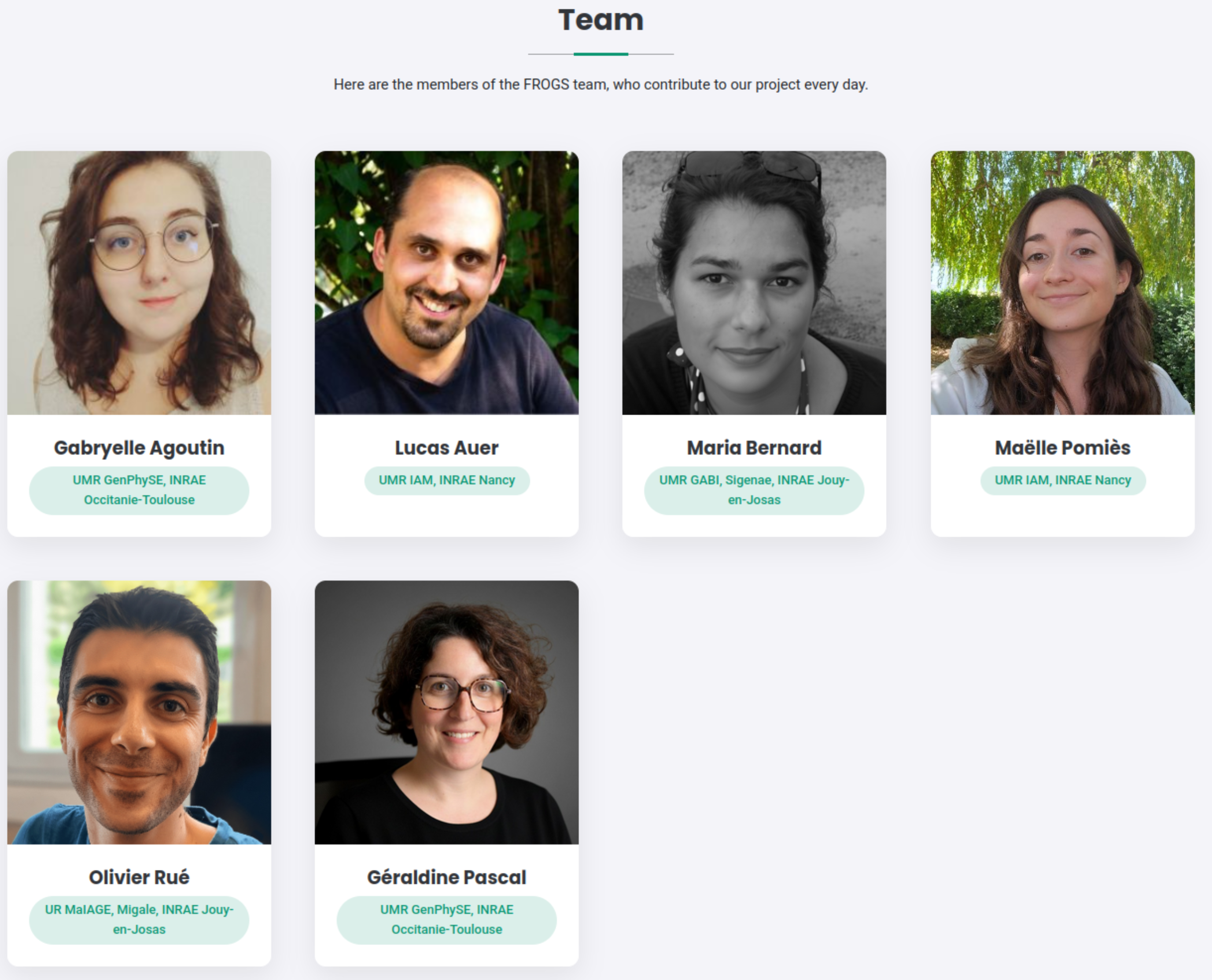
FROGS team
Our expectations
Aim of this training
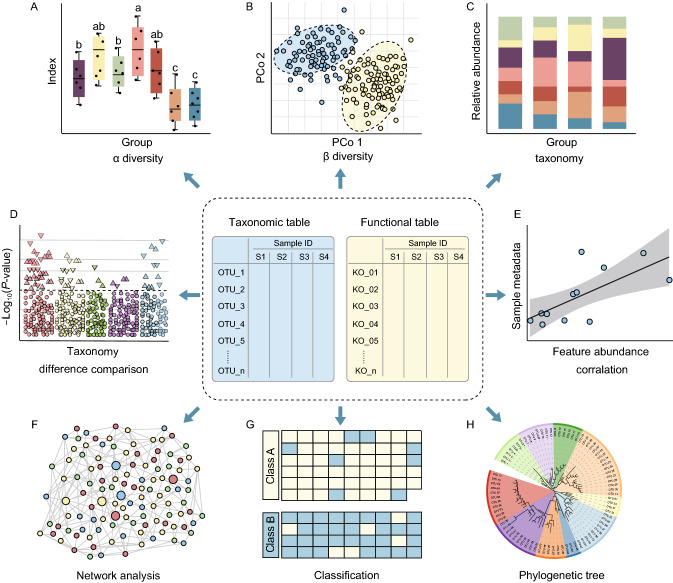
Meta-omics using next-generation sequencing (NGS)
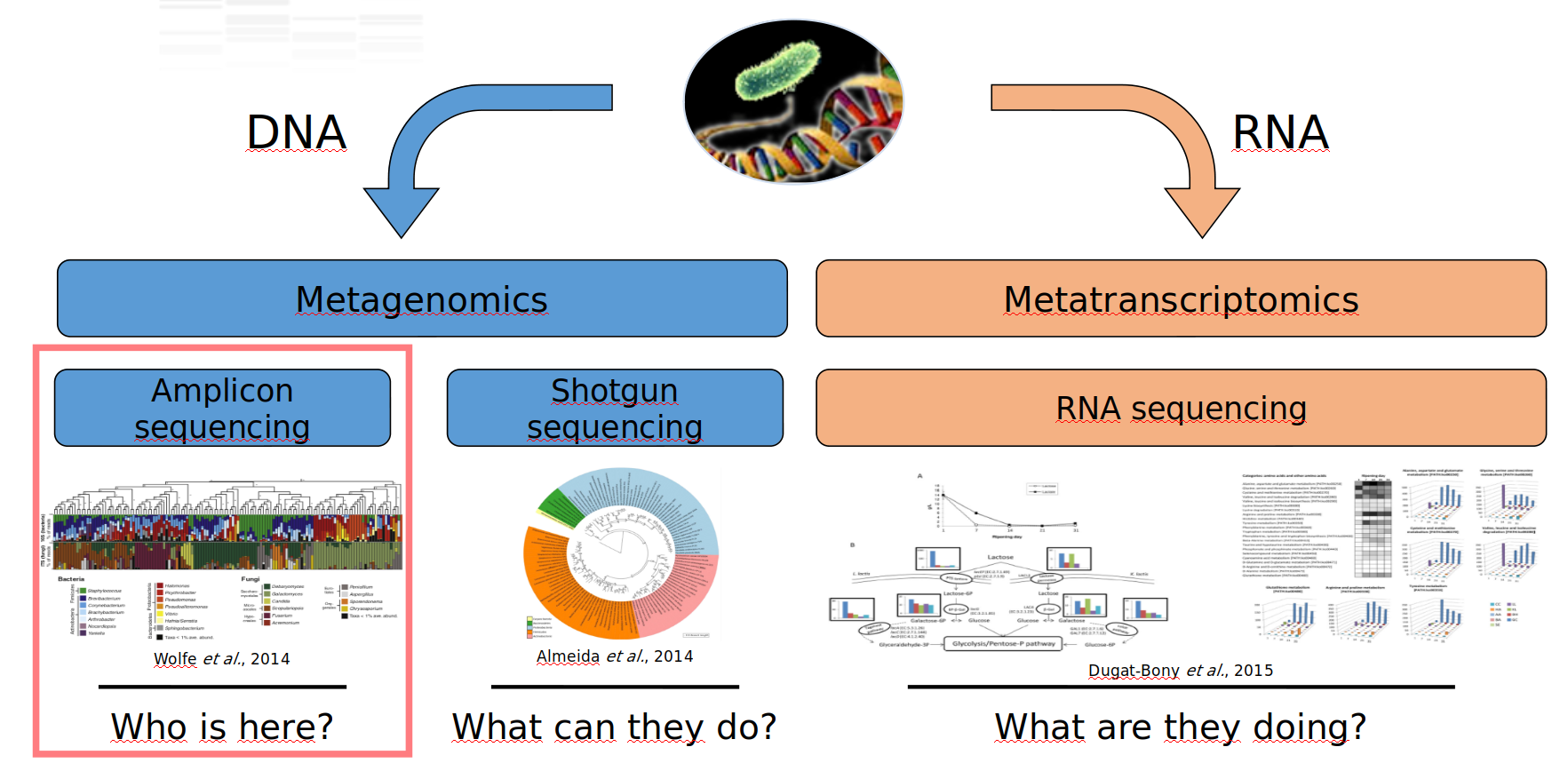
Meta-omics using next-genertation sequencing (NGS)
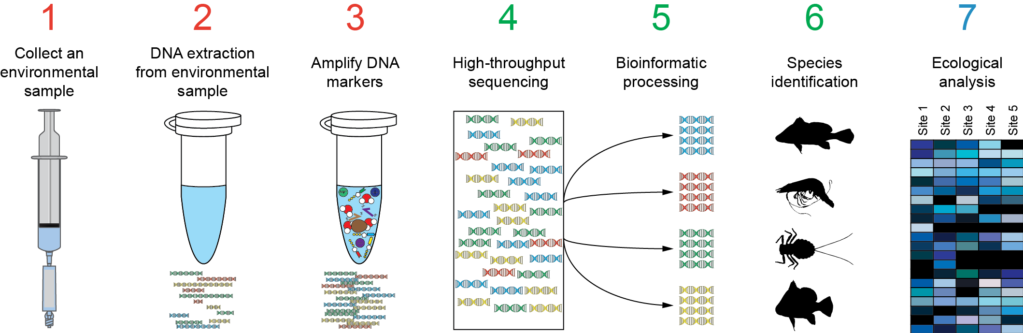
Strengths and weaknesses of amplicon analyses?

The gene marker power
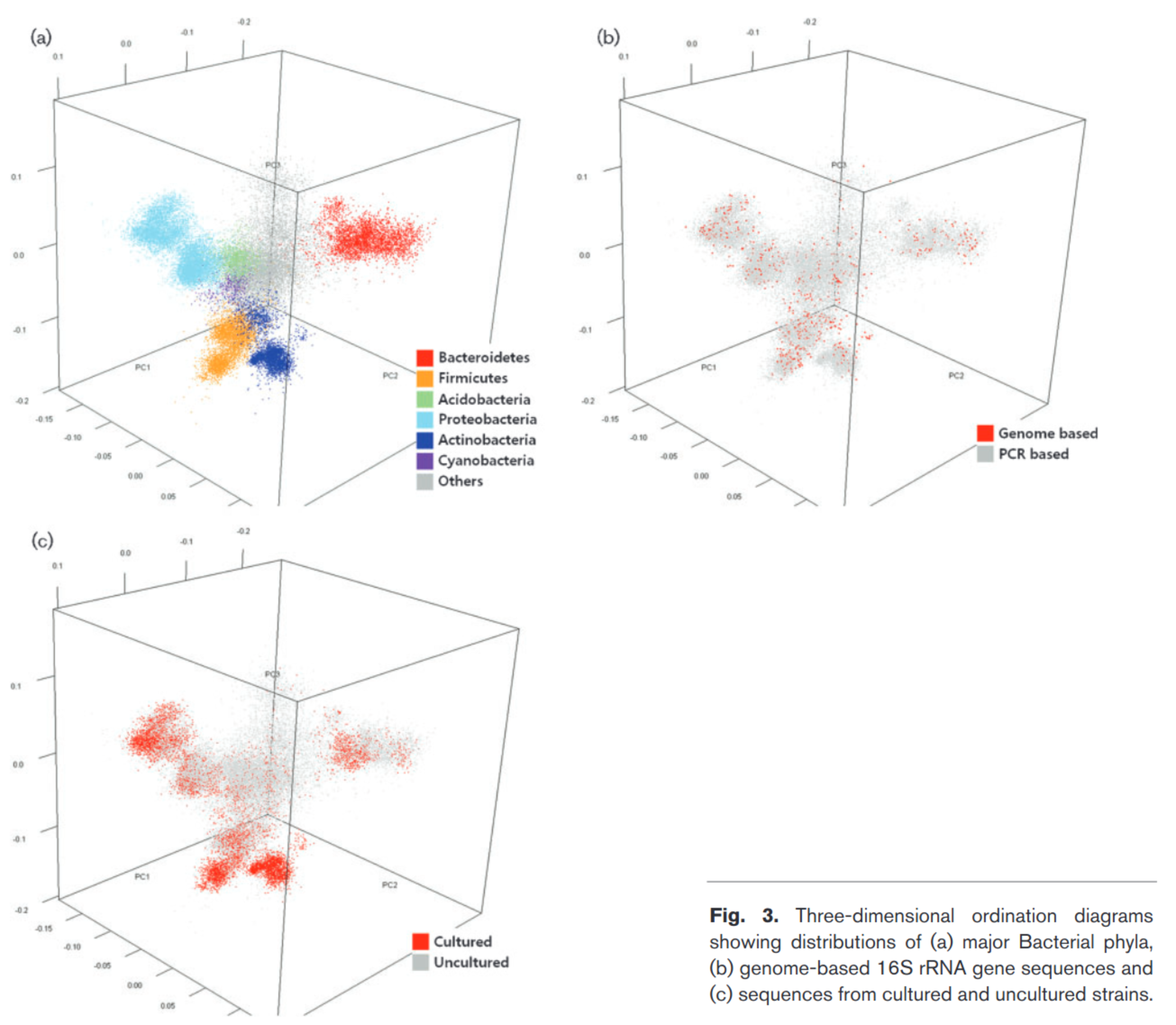
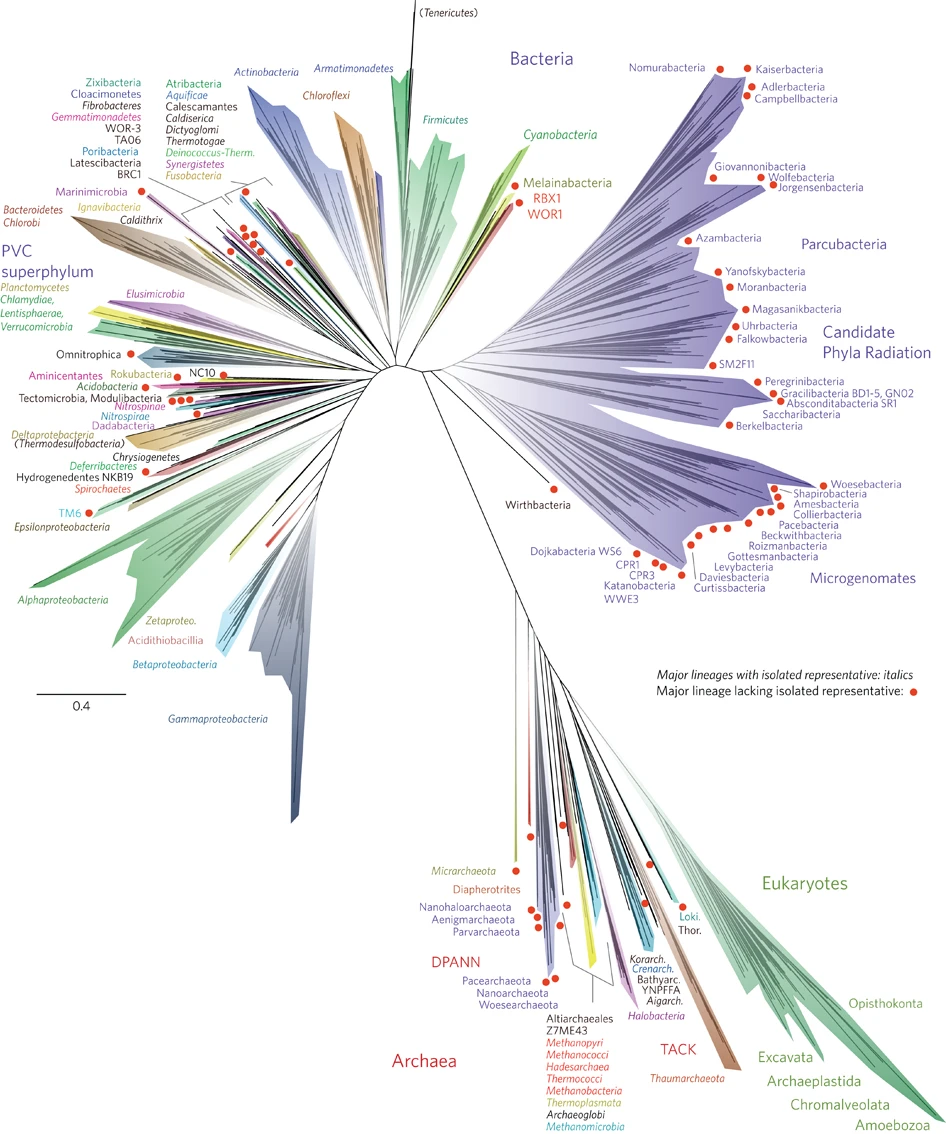
Microbial tree of life
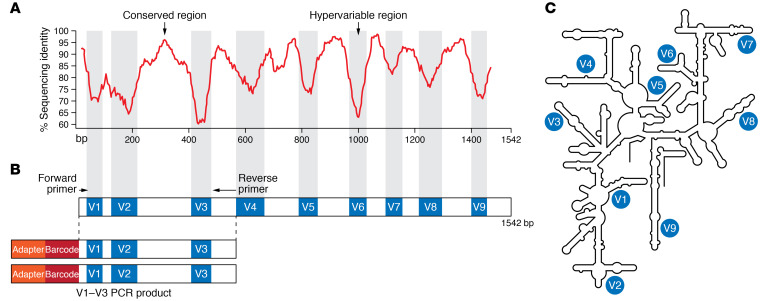
The 16S region
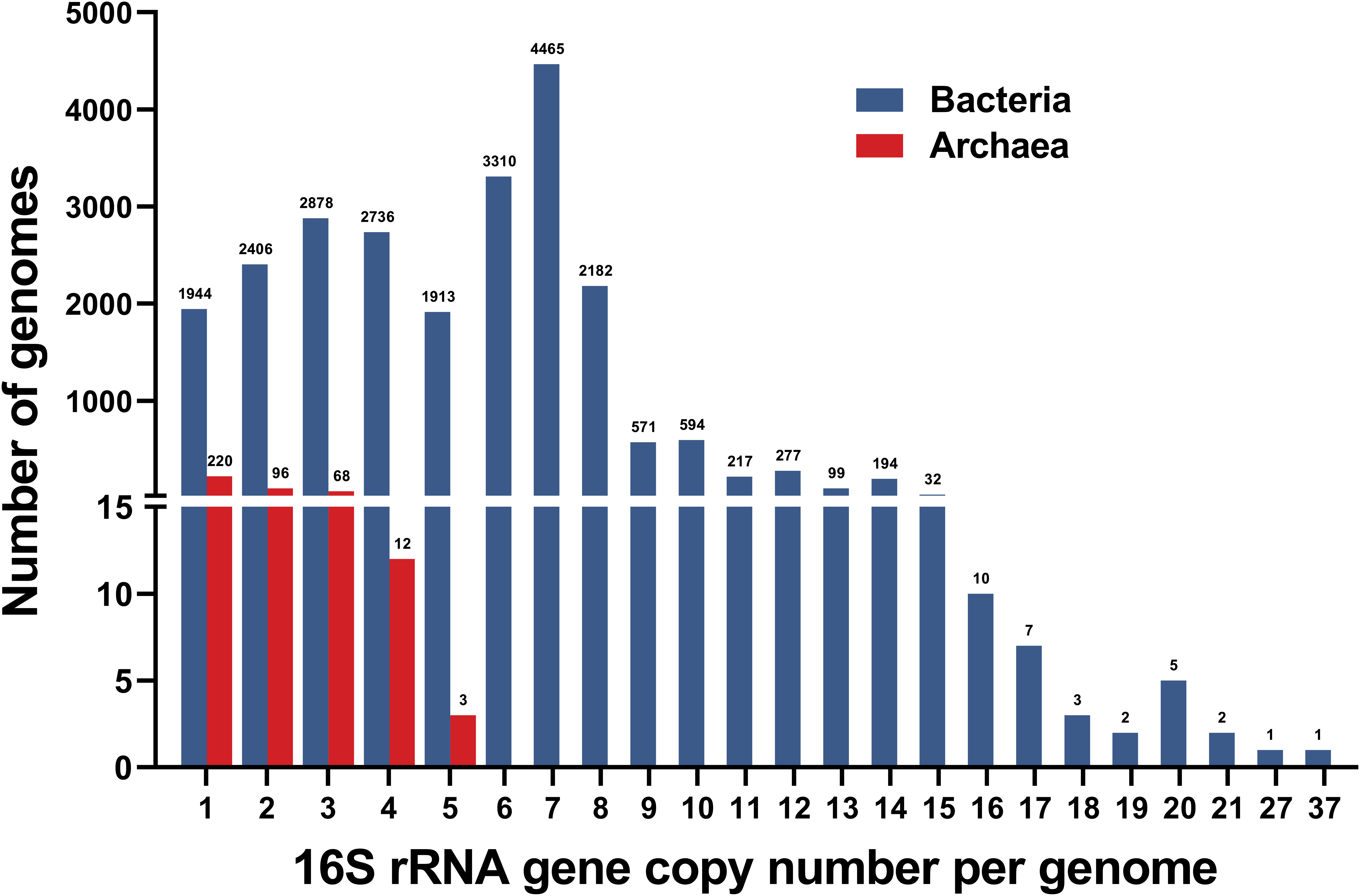
16S rRNA copy variation
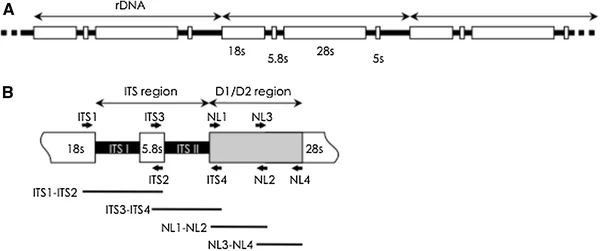
Fungal ITS
ITS: Internal Transcribed Spacer
Size polymorphism of ITS (from 361 to 1475 bases in UNITE 7.1)
Highly conserved regions of the neighboring of ITS1 and ITS2
Lack of a generalist and abundant ITS databank (several small specialized databanks)
Multiple copies (14 to 1400 copies (mean at 113, median at 80))
FROGS deals very good with ITS [7]
- small and long fragments contrary to many tools
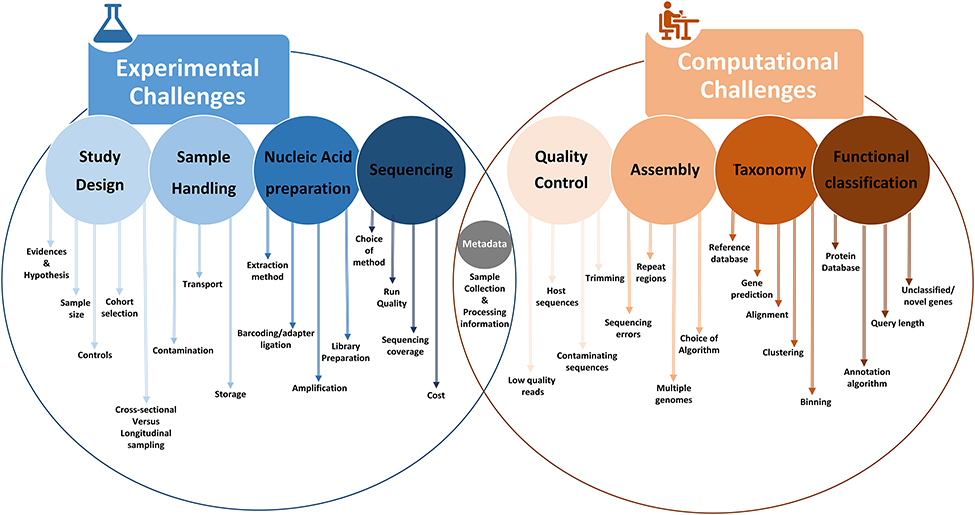
Challenges
Amplification bias
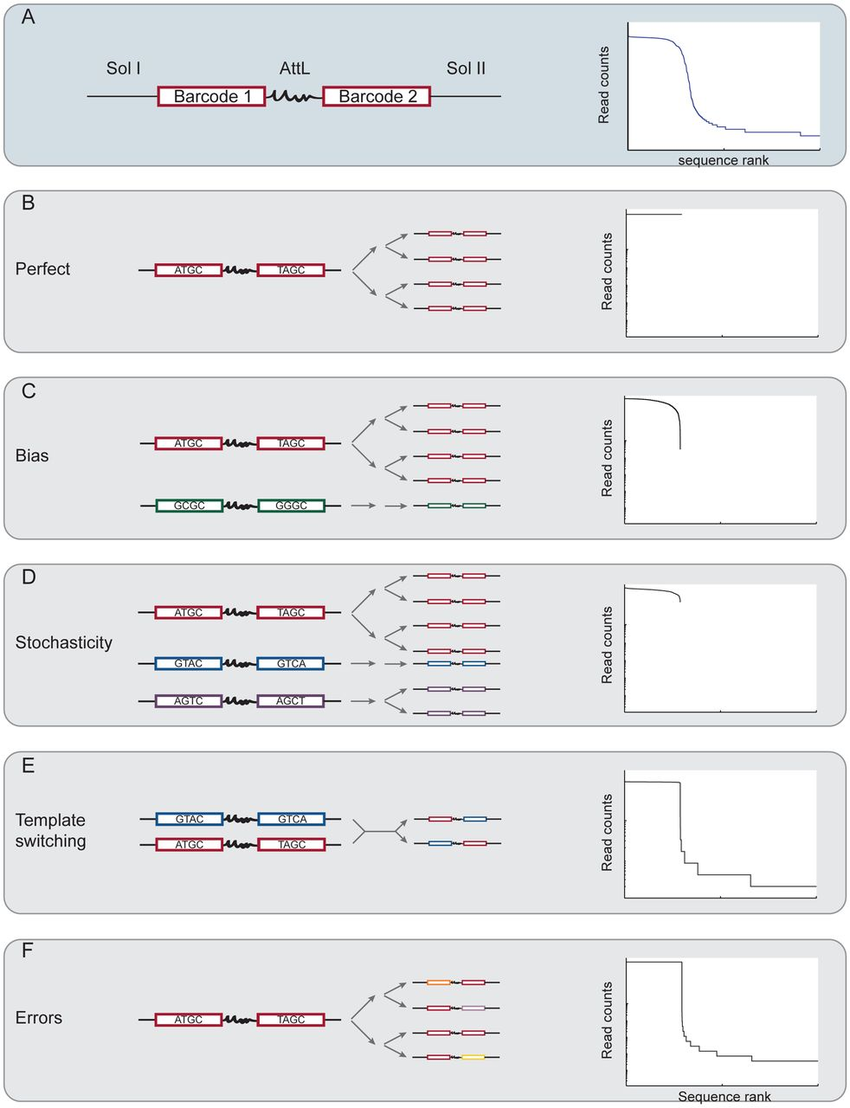
- C and D impact the abundance without adding new sequences
- E and F add new sequences
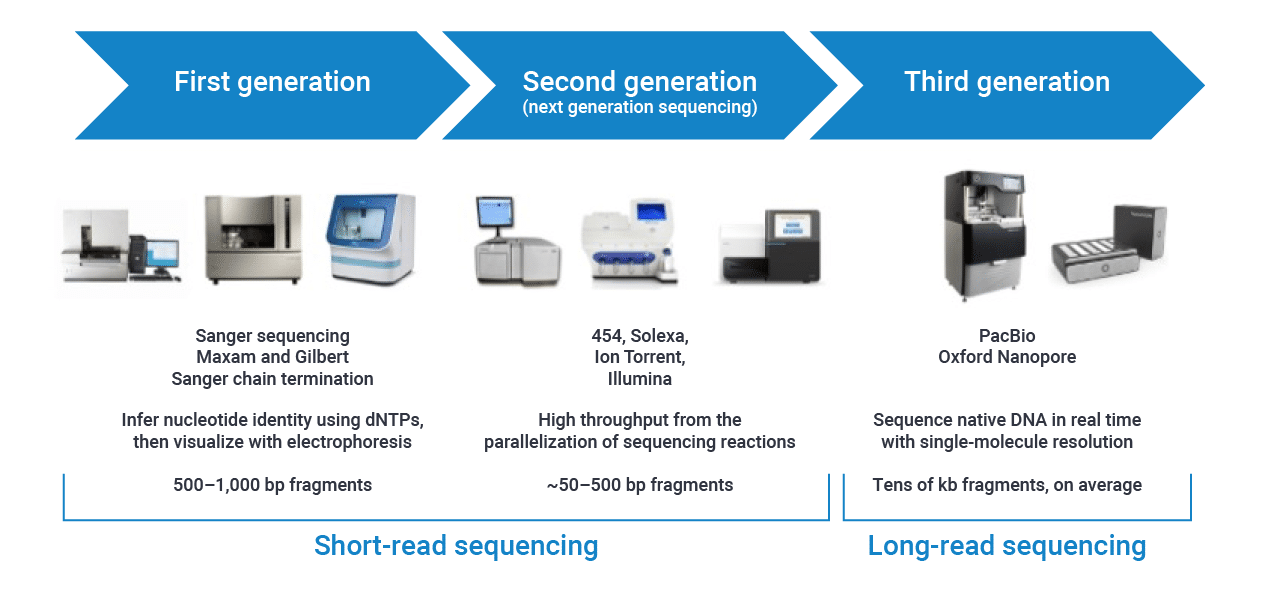
Sequencing technologies
Sequencing technologies
Sequencing technologies
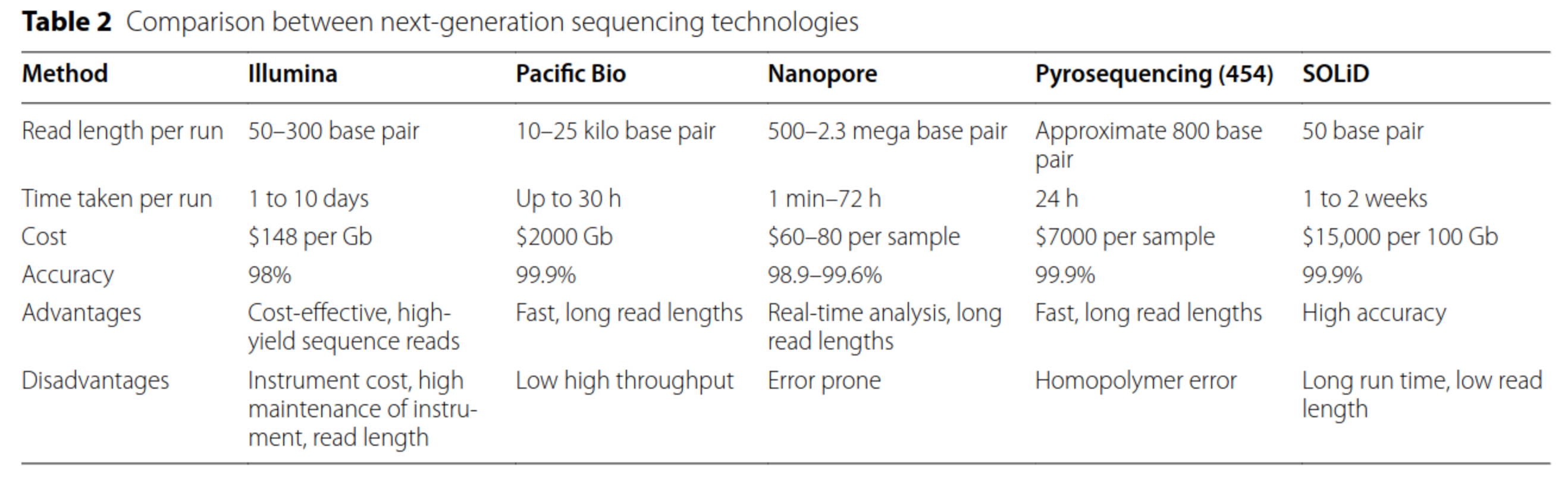
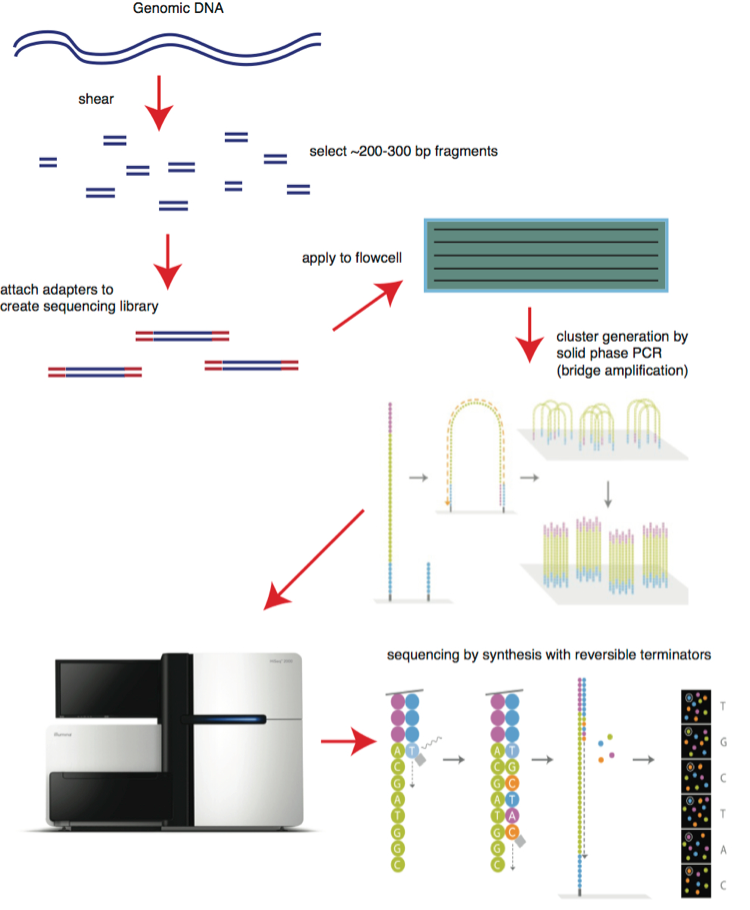
Illumina technology
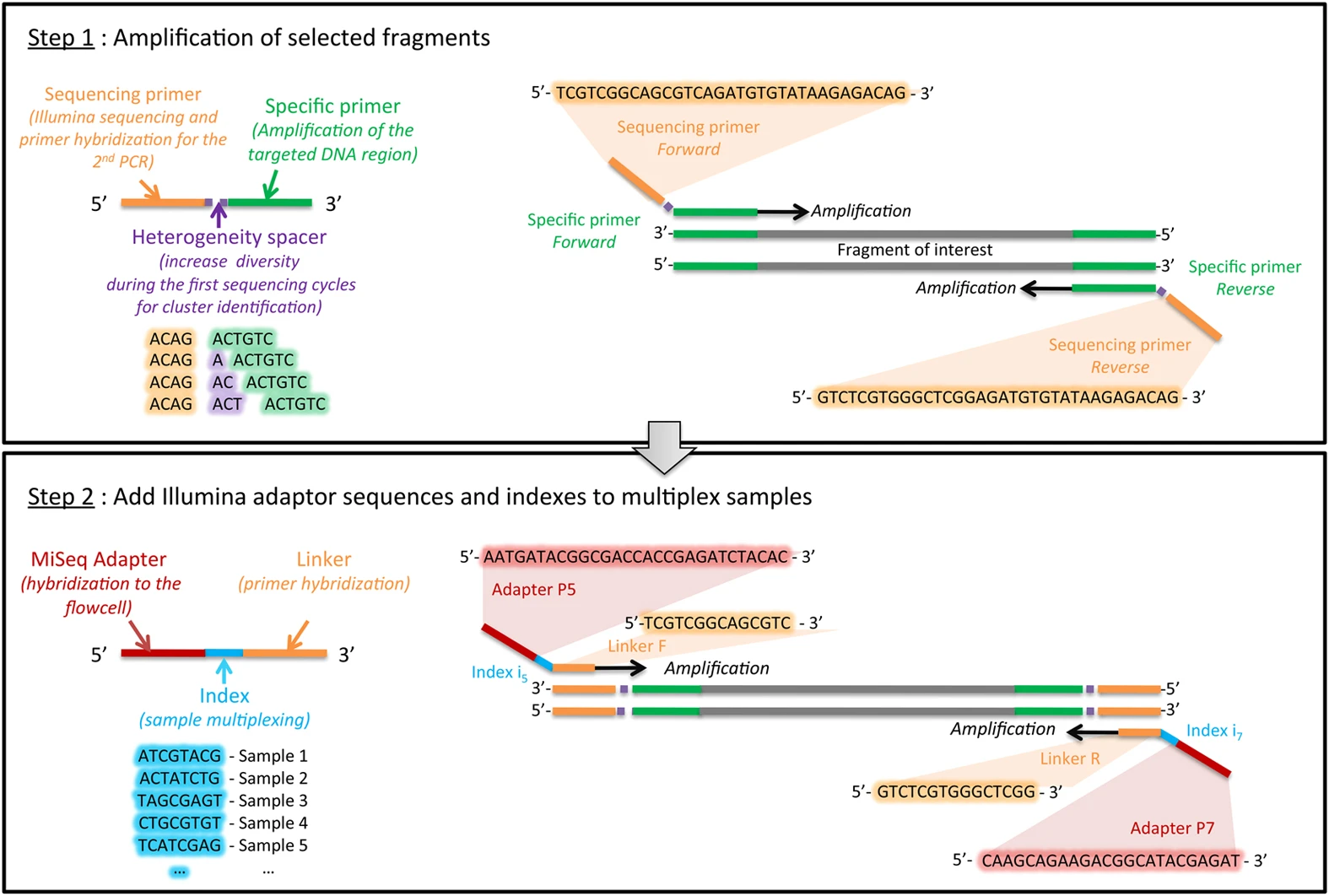
Illumina technology
AVITI sequencing
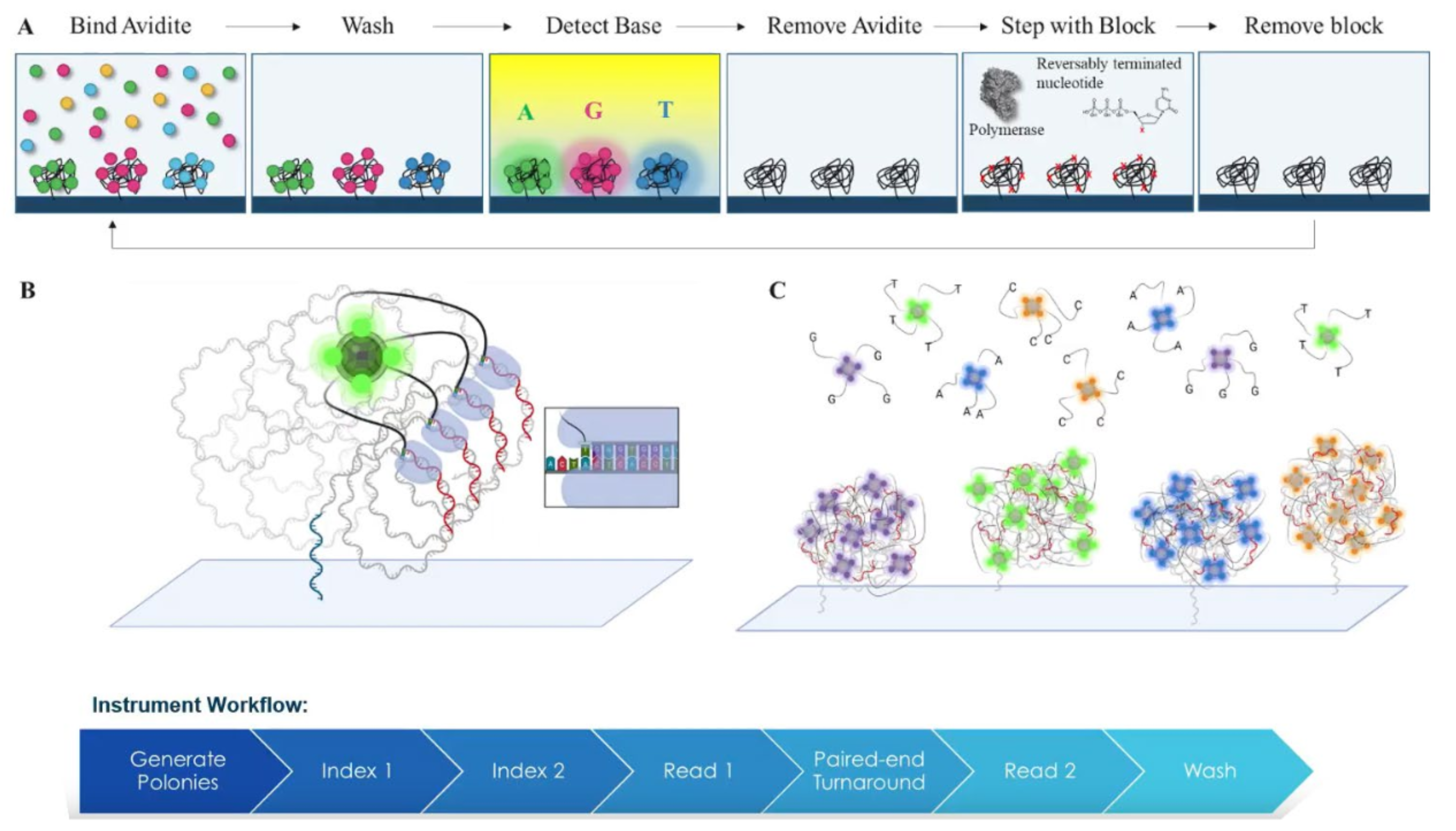
AVITI sequencing
2x300 bp / 7.5 to 150 Gb per lane / 2 lanes per Flowcell / 38-hour run
Compatible with Illumina libraries
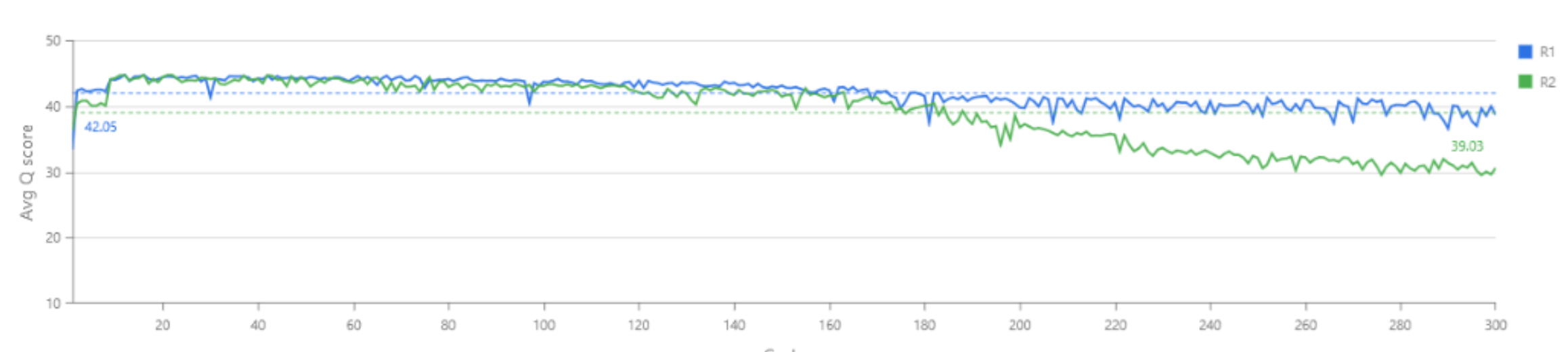
90% bases > Q30
🔥 Excellent data quality throughout the reads.
😳 Very large volume of data.
⚠️ Different technology → different analysis results.
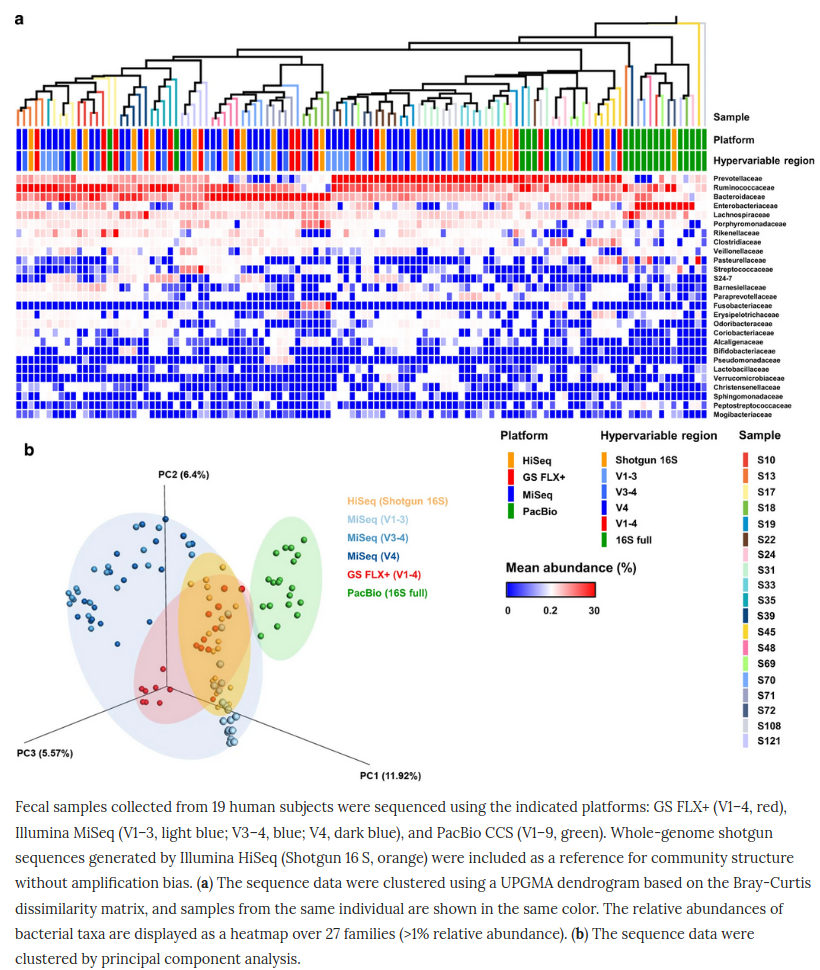
Effect of sequencing technology
Interest of controls
Interest of controls
Illustration
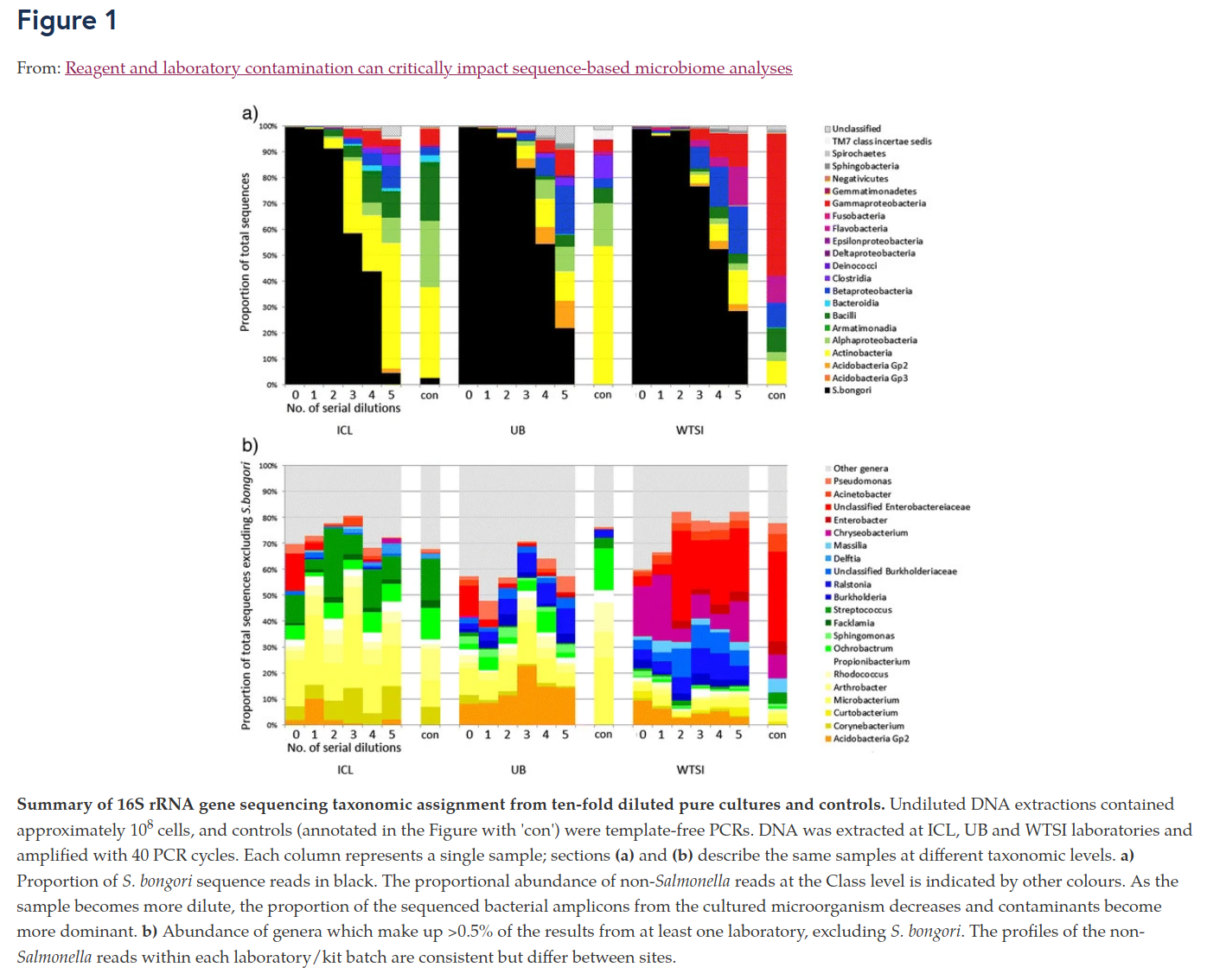
Here, we showed that contaminant OTUs from extraction and amplification steps can represent more than half the total sequence yield in sequencing runs, and lead to unreliable results when characterizing tick microbial communities. We thus strongly advise the routine use of negative controls in tick microbiota studies, and more generally in studies involving low biomass samples

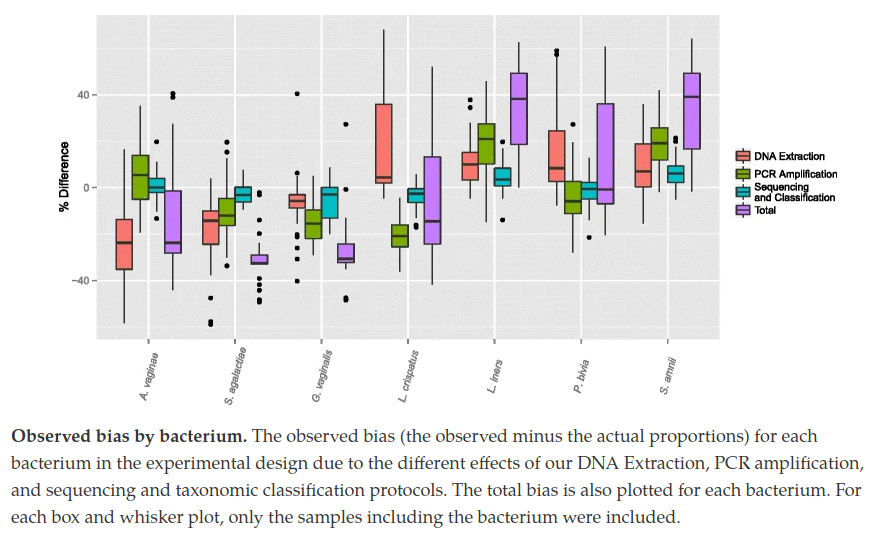
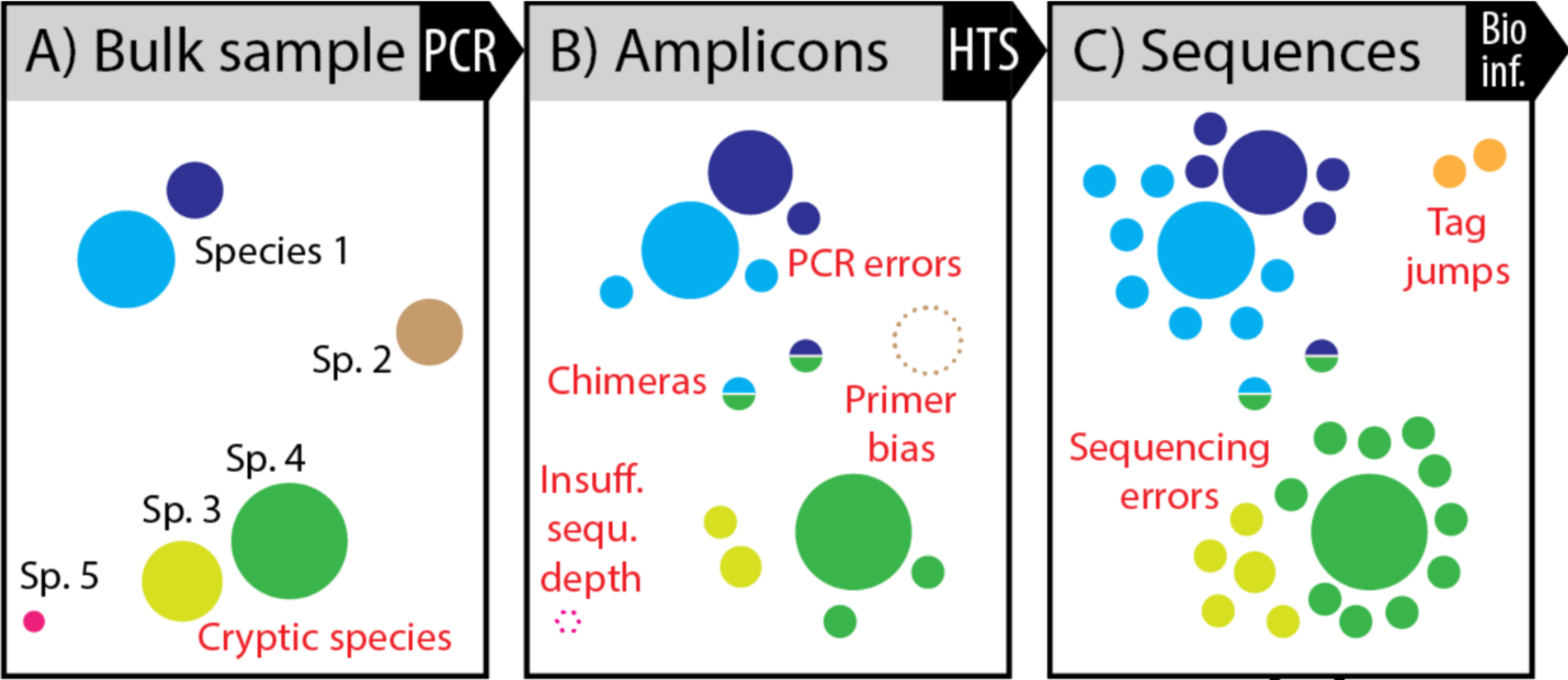
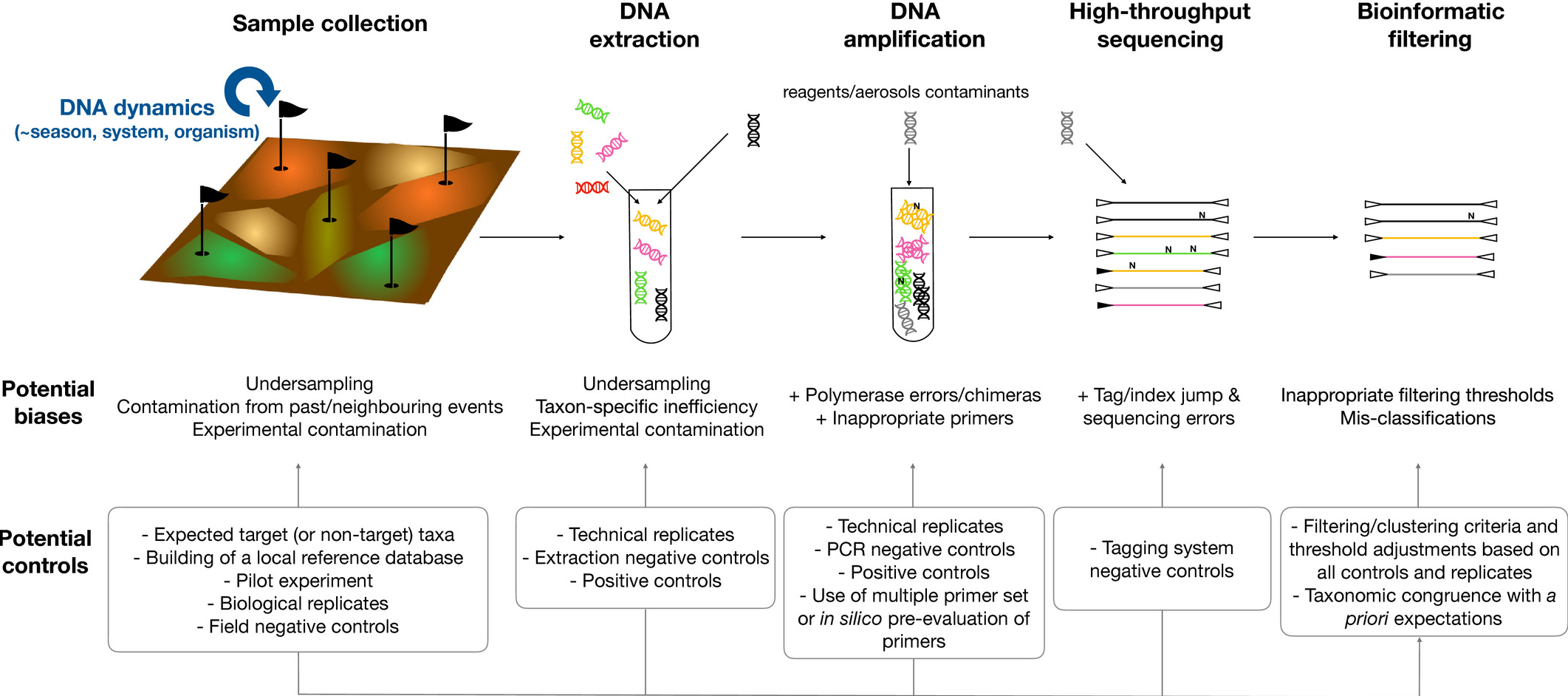
Synthetis of biases
Synthesis
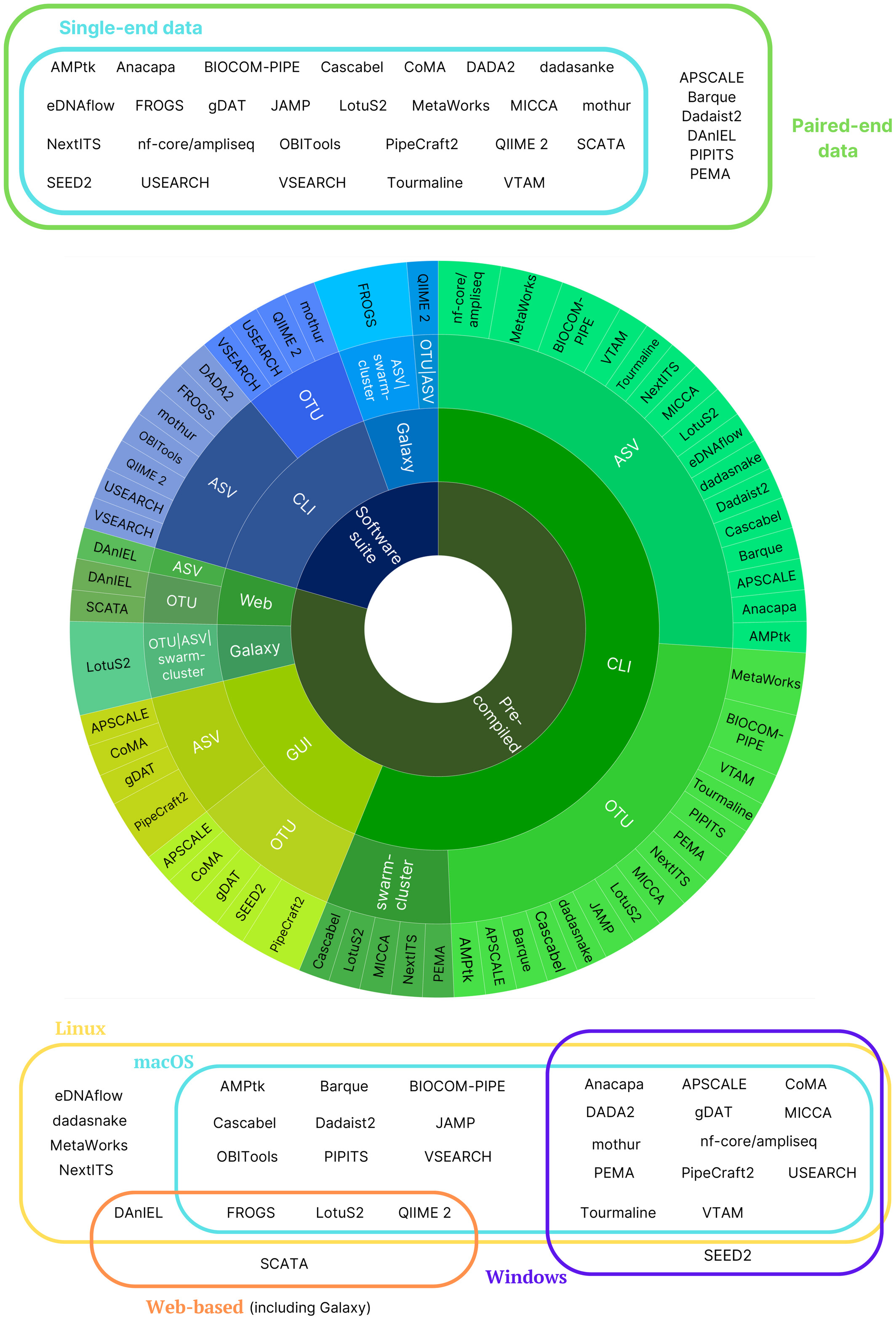
A pile of pipelines
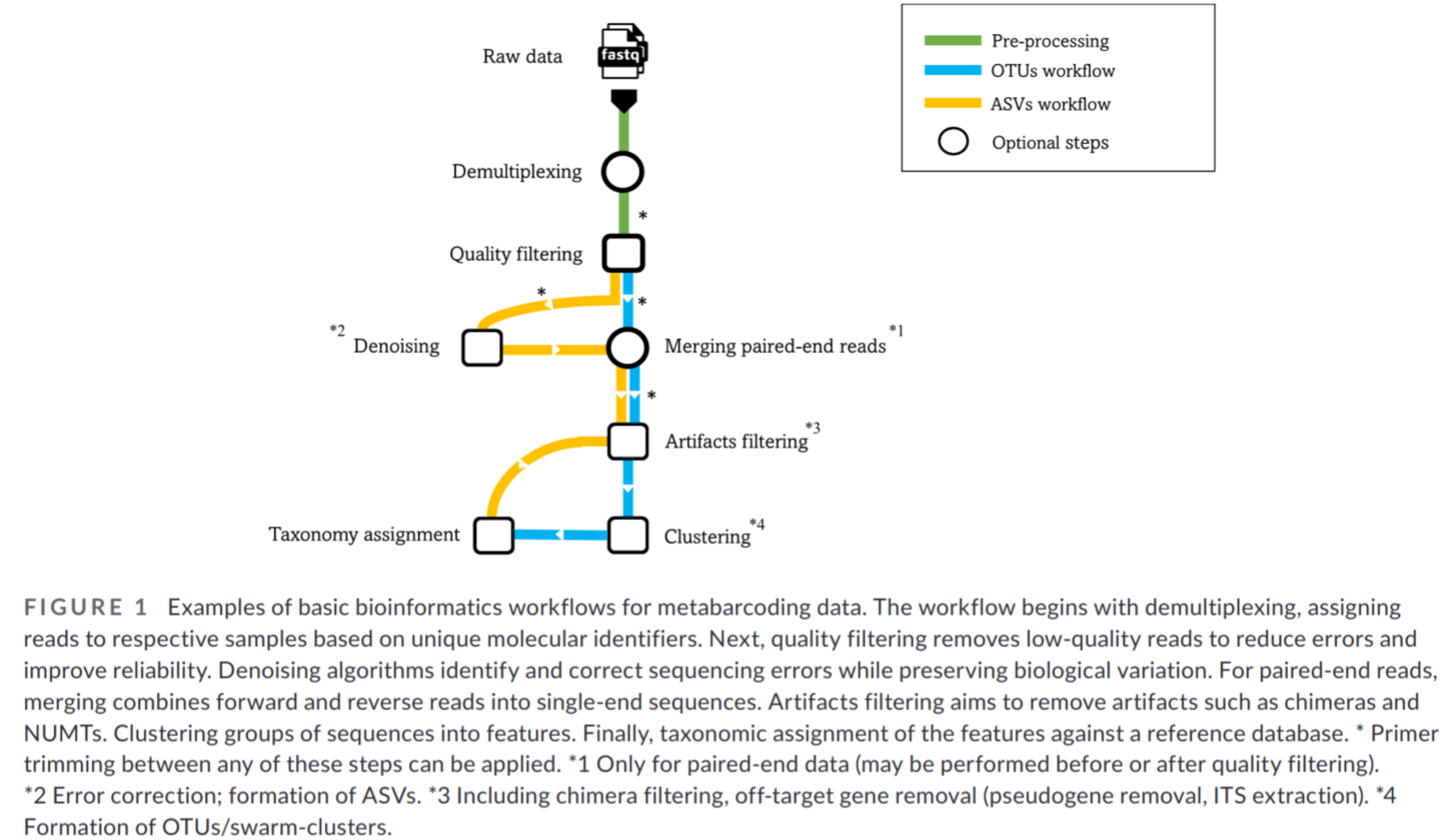
Benchmarking
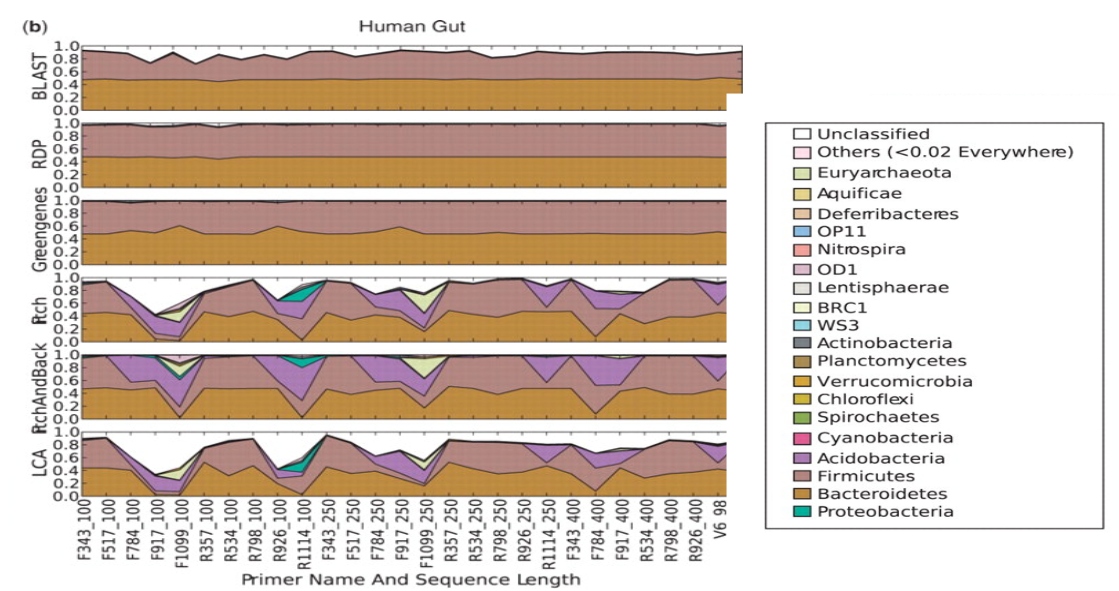
Compositions at the phylum level for Human gut and, using a range of different methods (separate subpanels within each group).
Benchmarking
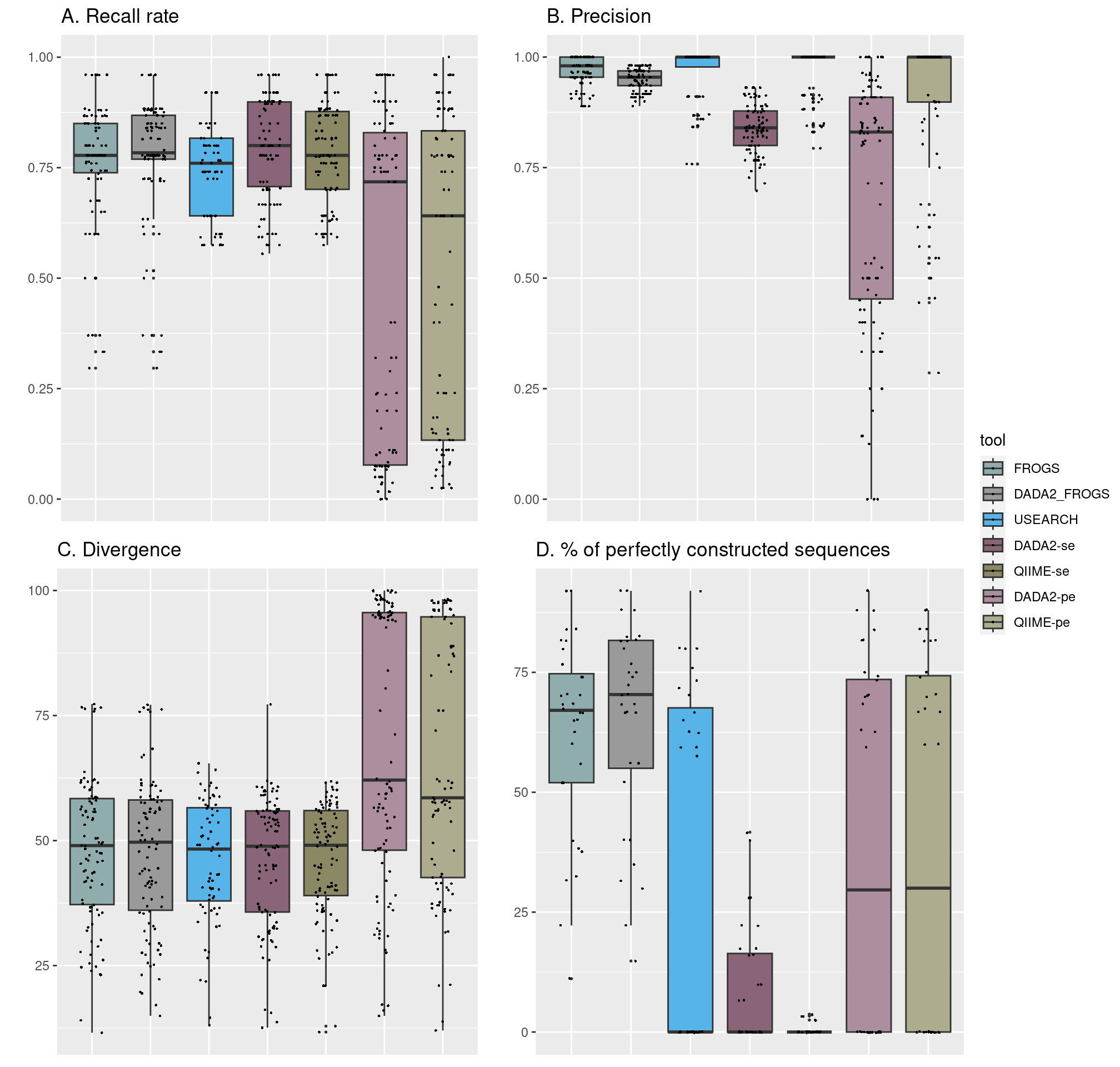
Quality parameters obtained with the seven bioinformatics pipelines. A) Recall rate (TP/(TP+FN)) reflects the capacity of the tools to detect expected species. B) Precision (TP/(TP+FP)) shows the fraction of relevant species among the retrieved species. C) Divergence rate is the Bray-Curtis distance between expected and observed species abundance. D. Percentage of perfectly reconstructed sequences is the fraction of predicted sequences with 100% of identity with the expected ones.
Summary
References